In short: Marketing automation software runs the repeatable parts of marketing on its own: email and SMS sequences, lead routing, CRM updates, social publishing and reporting, triggered by what each contact does. Start with follow-up, data entry, scheduling and reporting, keep strategy and relationship-critical conversations human, and expect basic sequences to launch within weeks.
Digital marketing automation services handle the repeatable parts of marketing so your team stops doing them by hand. For U.S. businesses, that means email and SMS sequences, lead routing, CRM updates, social publishing, and reporting running on their own.
Automation is not a replacement for strategy. It is the execution layer underneath one, and it only performs as well as the workflows and data behind it. This breakdown covers what can be automated, where the measurable gains appear, how automation improves lead generation, how it compares with traditional campaigns, and how to decide which tasks belong on autopilot.
Digital Marketing Automation Services: What U.S. Businesses Need to Know
Marketing automation uses software to execute campaigns and follow-up based on rules and customer behavior. A form submission, a purchase, or a period of silence each triggers the next action without anyone remembering to send it.
Adoption has moved fast. Stanford University's Institute for Human-Centered AI reported in its 2025 AI Index that 78 percent of organizations used AI in 2024, up from 55 percent the prior year, with generative AI use in at least one business function jumping from 33 percent to 71 percent.
What Is Digital Marketing Automation?
It is the connective tissue between your website, your CRM, and every message a customer receives. One trigger fires a sequence, updates a record, notifies a salesperson, and logs the result in a single flow.
Expert tip: map the manual process on paper before you automate anything. Workflows built directly inside a platform tend to encode whatever your team happens to do today, including the steps that were never worth doing in the first place.
Can AI Be Used for Digital Marketing Automation?
Yes, and it now handles work rule-based systems could not. AI drafts campaign copy, segments audiences by behavior, answers inbound chat, qualifies leads, and books appointments without a human in the loop.
Growth has continued past that. Stanford HAI's 2026 AI Index reports organizational adoption reaching 88 percent, which means U.S. businesses still running manual follow-up are competing against operations that answer leads instantly around the clock.
What Can You Automate in Digital Marketing?
Almost every repeatable touchpoint qualifies. If a task follows the same rules every time and depends on data you already collect, software can run it more consistently than a person can.
Adoption varies by sector. The U.S. Census Bureau's Business Trends and Outlook Survey found that Information sector firms lead AI use at roughly 40 percent while Retail Trade sits near 14 percent, so competitive advantage still favors early movers in most industries.
Can You Automate Email and SMS Marketing?
Yes, and these are usually the first wins. Welcome sequences, abandoned cart reminders, appointment confirmations, review requests, and re-engagement campaigns all run from behavior triggers rather than manual sends.
Work through this list to find your starting points:
- Welcome and onboarding sequences for new subscribers
- Lead nurture campaigns segmented by source and interest
- Appointment reminders and confirmation messages
- Post-purchase follow-up and review requests
- Re-engagement campaigns for inactive contacts
- Internal alerts routing hot leads to the right salesperson
- CRM record updates triggered by form or chat activity
- Scheduled social publishing across multiple platforms
- Weekly performance reporting delivered automatically
Start with two or three. Teams that try to automate everything at once end up with workflows nobody understands and messages nobody reviews, which is how a small error reaches an entire contact list.
Can Social Media Marketing Be Automated?
Publishing, scheduling, and performance tracking automate cleanly. Planning content across Instagram, Facebook, TikTok, LinkedIn, and YouTube from one calendar removes the daily scramble that kills consistency.
Engagement is different. Automated responses handle common questions well, but genuine conversation still needs a person. The practical split is automating distribution and measurement while keeping judgment where it belongs, since customers notice the difference immediately.
How Can Marketing Automation Improve Lead Generation?

Automation improves lead generation by shortening response time and eliminating dropped follow-up. A lead that gets an answer in seconds converts at a different rate than one waiting until Monday morning.
Speed is where AI changes the math. With organizational AI adoption climbing toward 88 percent per Stanford HAI's latest index, instant response has shifted from a differentiator to a baseline expectation among U.S. buyers comparing several providers at once.
How Does Marketing Automation Help Generate Leads?
It captures, qualifies, and routes without gaps. Chat engages a visitor, the form feeds the CRM, scoring rules identify intent, and the right person gets notified before the lead cools. Nothing sits in an inbox waiting for someone to notice it.
Landing pages carry that load. A page built around one offer and one action feeds cleaner data into every downstream workflow, which is why purpose-built landing pages and funnels outperform general site pages as automation entry points.
How Does CRM Automation Improve Marketing?
CRM automation keeps the record accurate without manual entry. Every interaction logs itself, which means segmentation reflects real behavior rather than whatever someone remembered to type after a call.
Consider a hypothetical U.S. services company where three team members tracked leads in separate spreadsheets. Duplicate follow-up went out weekly and warm leads went cold. Consolidating into one automated CRM with routing rules ended both problems inside a month.
Digital Marketing Automation vs Traditional Marketing
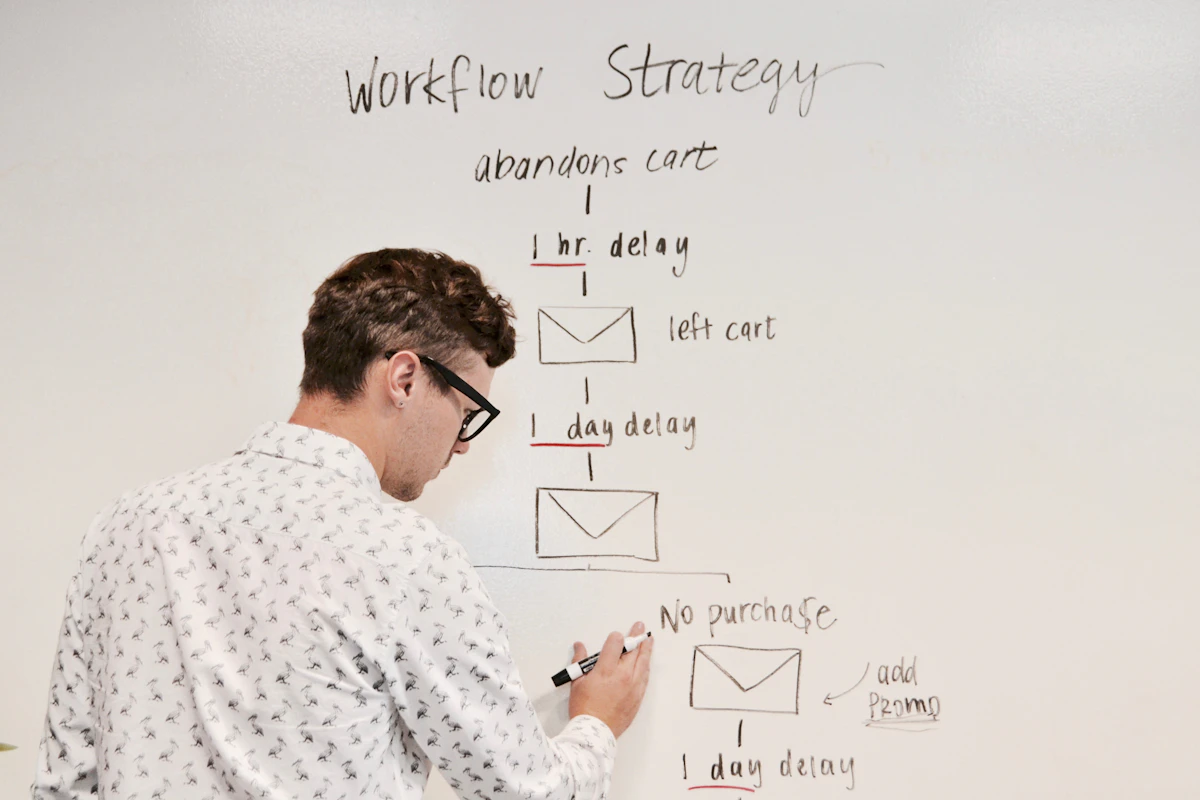
Traditional marketing sends the same message to everyone on a fixed schedule. Automation sends different messages based on what each contact has actually done, at the moment it matters most to them.
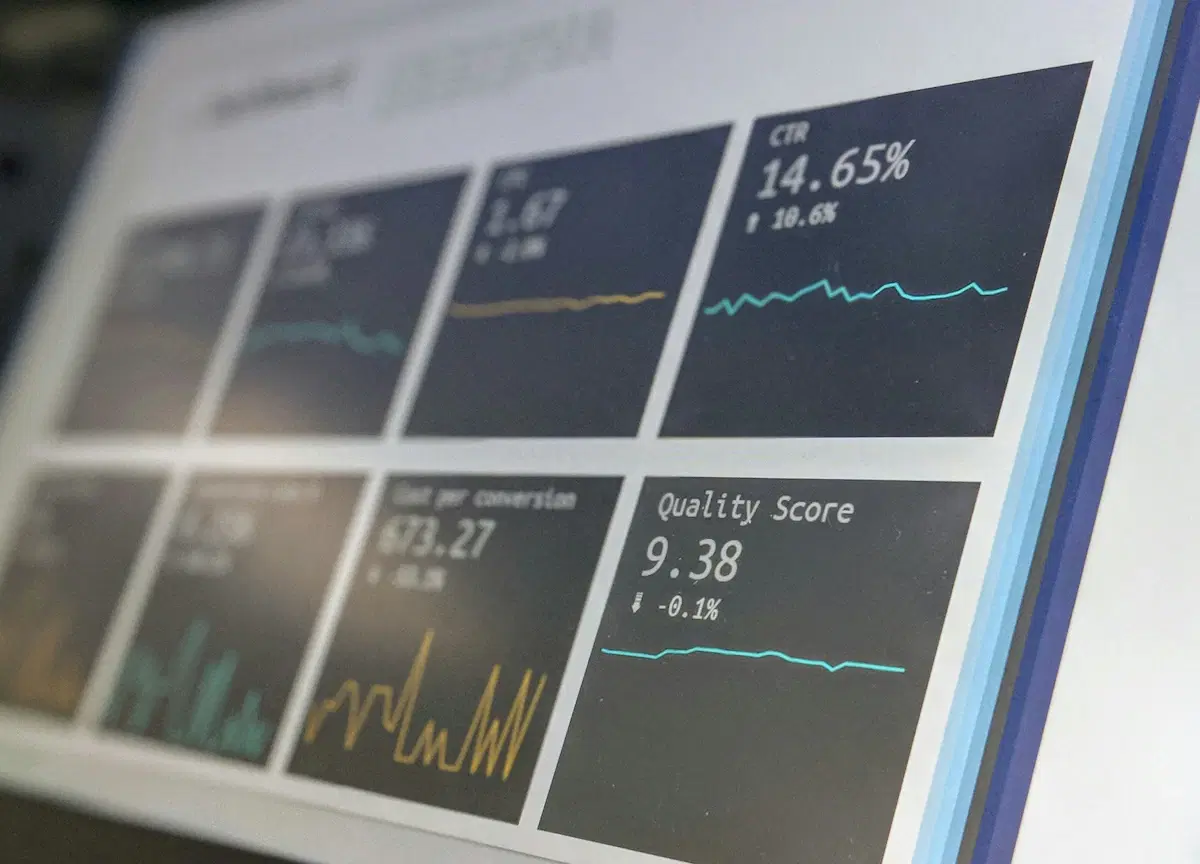
Measurement separates them further. Automated systems attribute revenue to specific sequences and touchpoints, while manual campaigns typically report activity, which is why U.S. businesses moving to automation usually discover their real cost per lead for the first time.
The FLOW Test
Apply this four-point test to any task before you automate it:
- F for Frequency — does this repeat often enough to justify building it.
- L for Logic — can the rules be written down without exceptions.
- O for Outcome — is there a measurable result tied to the task.
- W for Worth — does the time saved exceed the setup and upkeep.
Automate when all four clear. Tasks failing the logic test almost always break in production, because the exceptions become support tickets within the first week. Score honestly rather than optimistically.
Which Digital Marketing Tasks Should You Automate?
Automate follow-up, data entry, scheduling, and reporting first. These are high-frequency, rule-driven, and measurable, which makes them the safest and fastest returns for any U.S. business, regardless of industry or company size.
Keep strategy, creative direction, and relationship-critical conversations human. Automation that reaches into those areas produces the generic experience customers recognize instantly. Platforms combining CRM, campaigns, reputation, and analytics in one system make that boundary easier to hold, because everything runs from one set of records.
Frequently Asked Questions
How much do marketing automation services cost?
Cost depends on contact volume, the channels you run, and whether you need strategy and setup or software alone. Platform subscriptions and managed service fees are typically quoted separately, so confirm what implementation includes before committing.
Is digital marketing automation worth it?
For businesses with repeatable follow-up and measurable conversions, yes. The return comes from faster response times, fewer dropped leads, and consistent execution that does not depend on who is working that day.
How long does implementation take?
Basic email and SMS sequences can launch within weeks. Full CRM integration, lead scoring, multi-channel workflows, and reporting dashboards take longer, particularly when historical contact data needs cleaning first.
What should you avoid when automating marketing?
Avoid automating before you understand the manual process, and avoid removing humans from conversations that require judgment. Also avoid launching sequences without testing them, since a broken workflow reaches every contact at once.
Conclusion
Digital marketing automation services deliver when they run on clean data, clear rules, and workflows someone actually designed. U.S. businesses that start with follow-up and CRM accuracy, then layer on AI-assisted campaigns and reporting, gain capacity without adding headcount and stop losing leads to slow response.
Nexvato is a results-driven digital marketing agency offering SEO, AI search optimization, digital marketing, web design, branding, AI employees and assistants, and the Nexvato OS to businesses across the U.S. Call (239) 610-9638 or book a free consultation to get a custom growth plan built around your goals.