To improve search engine optimization, fix things in this order: the technical foundation first, then keyword and intent match, then content, then backlinks, then local signals if you serve local customers. Treat this order as a practical way to prioritize the work, not a strict rule every site must follow exactly.
Check each of these areas to find which one is actually limiting your results. Still, work through the steps in order. Content will not help a page search engines cannot index. Links can help search engines find and rank a page, but they do not guarantee it matches what searchers want.
Once the foundation holds, look at how the same work affects your visibility in AI search results.
Work Out Which Symptom You're Actually Seeing
Before you fix anything, work out which symptom actually matches your site. A drop in rankings, pages missing from Google, or traffic that never turns into inquiries can each point to several different causes. Treat each symptom as a prompt to investigate, not a confirmed diagnosis.
The table below lists four common symptoms: pages missing from Google's index, low rankings, impressions without clicks, and traffic without inquiries. For each one, check the listed evidence, take the matching action, assign an owner, and confirm a measurable check before moving on.
| Symptom | Evidence to inspect | Next action | Responsible role | Completion check |
|---|---|---|---|---|
| Page not indexed | Search Console Page indexing report and URL Inspection tool | Confirm the page loads and is not blocked, then request indexing | Technical SEO specialist | URL inspection shows the page as indexed |
| Low rankings for target terms | Current position for the query and the pages ranking above yours | Compare your page's content and on-page details against those pages | SEO or content lead | Position for the target query improves over a comparable period |
| Impressions without clicks | Search Console performance report filtered to that page and query | Rewrite the title tag and meta description to match what the query is asking for | Content or SEO lead | Click-through rate for that query rises over a comparable period |
| Traffic without inquiries | Analytics for that page, plus whether the contact form or phone link works | Check tracking, offer clarity and calls to action before changing anything SEO-related | Marketing manager | Form submissions or calls from that page increase over a comparable period |
A low click-through rate does not confirm one specific problem. Google's own guidance on clicks says a low click-through rate can indicate that users see your page in search results but do not think it answers their query. Rewrite the title and description, then compare clicks for that query over time.

Fix the Technical Foundation First: Crawlability, Indexing, Speed and Mobile Usability
Start here because crawl access affects whether Google can read and use your page's content. If a page is blocked from crawling or missing from the index, check and fix that first. Content and link work alone may not get it back into search results.
For a closer look at these technical and on-page basics, see this website SEO optimization service page.
Make Sure Google Can Crawl, Index and Link to Every Important Page
According to Google's technical requirements for search, Googlebot, Google's crawler, must be able to reach a page without being blocked. Google also requires that the page return a successful HTTP response (no error when it loads) and contain indexable content. Check every important page against these three conditions before you touch content or links.
Meeting those conditions makes a page eligible for Google's index, though eligibility does not guarantee the page gets indexed. Fix any failed condition first, before you spend time improving that page's content or links.
Google's link best practices say every page you care about should have a link from at least one other page on your site. List your important pages and check each one against that standard. Add a contextual link from a related page to any important page that currently has none.
Meet Core Web Vitals, Site Speed and Mobile Usability Standards
Google measures three Core Web Vitals. Largest Contentful Paint (LCP) tracks how fast the main content loads. Interaction to Next Paint (INP) tracks how fast the page responds to taps or clicks. Cumulative Layout Shift (CLS) measures the largest burst of unexpected layout shifts during the page's entire lifecycle, including after it finishes loading.
Google rates a page good for load speed when LCP is 2.5 seconds or faster. It rates responsiveness good when INP is 200 milliseconds or faster. It rates layout stability good when CLS scores 0.1 or less, each measured at the 75th percentile of visits.
Under Google's mobile-first indexing approach, Google uses the mobile version of a site's content, crawled with its smartphone agent, for indexing and ranking. Check that key text, images and internal links visible on desktop also appear on mobile.
Google's page experience guidance says chasing a perfect Core Web Vitals score for SEO reasons may not be the best use of your time. Fix the speed and usability problems your visitors actually notice, such as slow-loading images or buttons that lag when tapped.
Match Keyword Research to What Searchers Actually Want
Start keyword research by listing the exact words and phrases customers type into Google, not just the term with the highest search volume. Then sort each phrase by the intent behind it: what does the searcher want to do next?
- Mark a phrase informational if the searcher wants an answer or explanation.
- Mark a phrase commercial if the searcher is comparing brands, products or services.
- Mark a phrase navigational if the searcher wants a specific business or website by name.
Match each page on your site to one intent group, then check whether the page actually answers that intent. A general overview page may not meet a searcher's comparison intent if it lacks the comparisons they need. This holds even if the keyword appears on the page.
For intent-mapped keyword research beyond what you can do on your own, see this keyword research and strategy service page.
Strengthen the On-Page Signals Search Engines and Readers Both See
Match your title tag, meta description and headings to the intent you found in the keyword research step above. If a searcher wants pricing and your title only names your industry, rewrite it to say what the page actually offers.
Keep each title tag specific and short enough to show in full. State the page's main topic in plain words, using the term your matched search intent actually points to, not a broader category.
Write a meta description that answers the same question the title raises. Use one or two sentences that tell the searcher exactly what they will find, instead of a generic summary of the business.
Structure your headings so each one states what that section answers. A reader skimming the page should be able to tell from the headings alone whether it covers their search, without a vague label like "Overview."
Add schema markup where it fits your content. Schema markup is structured data that labels what a page is about for search engines. It might mark a page as a service, a product or a list of frequently asked questions. Adding it does not guarantee a specific ranking or click result.
Close Content Gaps Instead of Always Publishing Something New
A content gap appears when you compare what the matched search intent requires against what your page actually answers. List every question a searcher with that intent needs answered. Check which ones your page skips, answers too briefly, or buries under unrelated information.
If a page already covers the same search intent, revise it instead of publishing a new one. Correct outdated facts, add examples the page is missing, and fill in sections your intent research showed readers need. Google's guidance on core updates says recognizing sustained content improvements across a site can take anywhere from a few days to several months. Give a revised page that much time before you judge the result.
Nexvato also writes SEO content such as articles for clients who need help producing that revised or new content. See the SEO content creation service for details.
Earn Backlinks and Digital PR That Build Real Authority
A backlink is a link from another site to one of your pages. Search engines treat backlinks as one signal of a page's authority. Digital PR means pitching useful content to journalists, bloggers and industry sites so they choose to link to it.
This step follows content work for a reason. Useful, distinctive content can help attract links from other sites, though it is not the only reason a site links to you. Build backlinks and run digital PR once your content fully answers the reader's question, not before. This backlink building service page covers how that process works.
Strengthen Local Signals If You Serve Local Customers
Local SEO is especially relevant if your business serves customers in a specific city, county or service area. If you sell only online or ship nationwide with no local storefront or service radius, you can likely skip this step. Move straight to AI search visibility instead.
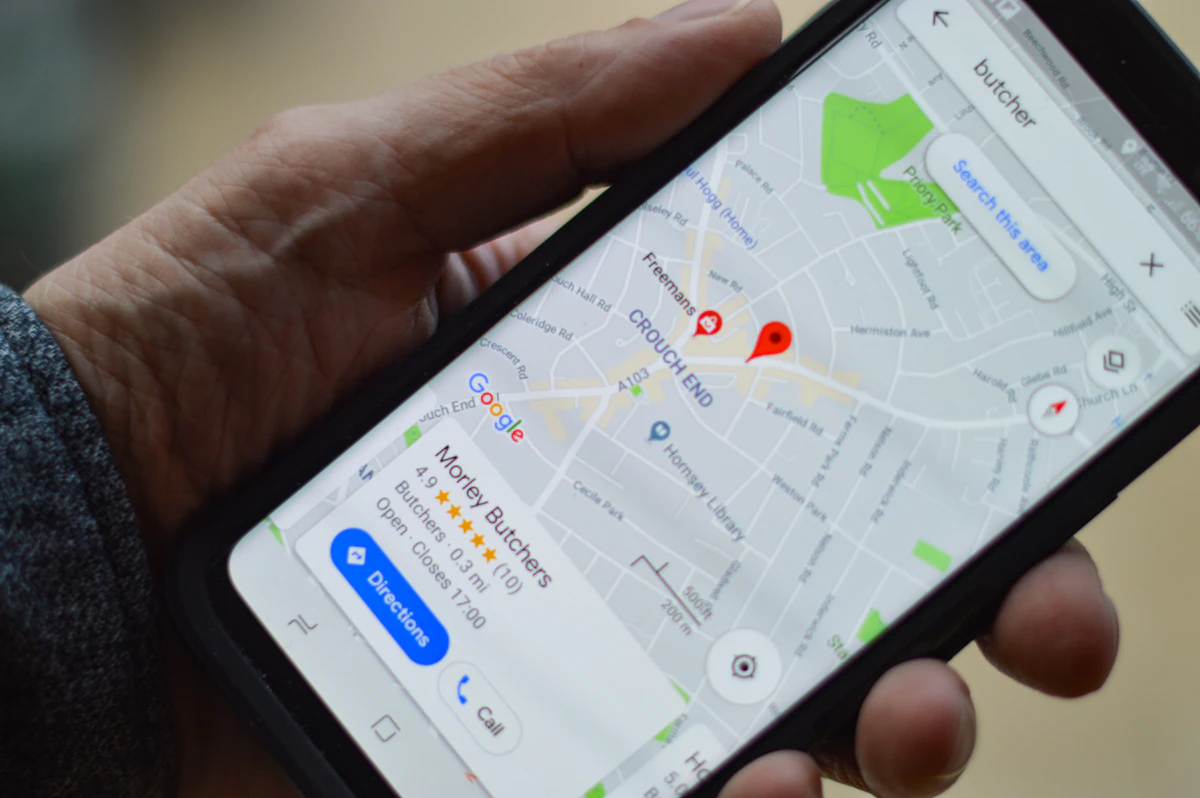
If you do serve local customers, start with your Google Business Profile. Fill in the business name, address, phone number, hours, categories and photos completely, and keep every field current as your business changes.
Next, check your local citations: listings of your business on other sites and directories. Make sure the name, address and phone number match exactly everywhere they appear, since mismatched details can confuse searchers comparing listings.
Nexvato offers Google Maps and local SEO services as part of its SEO work. Nexvato is based in Sarasota, Florida, and serves local clients there along with businesses nationwide. See the Google Maps local SEO page for help with profile and citation work.
Watch the Fix-Order Logic Work on One Underperforming Page
The sections above cover five checks: technical health, intent match, content gaps, backlinks and local signals. The walkthrough below shows how those checks connect on one page. It is a hypothetical example, not a new set of advice.
Picture a page that already ranks and gets visits, but few people act once they land there. The next part follows that page through the same fix order you just read. It starts with the question that comes first: does the page match what the searcher actually wants?
A Local Service Page With Traffic but Few Inquiries
Example scenario: A local service page ranks and gets clicks, but visitors rarely contact the business. Checking the page's search queries shows that people want to compare options and decide. The page only describes the service in general terms, not that decision.
The business revises the content to answer that decision: what the service includes, how to choose it, and what to expect next. It also updates the title tag and meta description to match, so search listings describe the same decision instead of a general topic.
Related pages add internal links pointing to the revised page, giving readers and search engines another path to find it. A quick technical check confirms the page still returns a successful response and displays correctly on mobile.
After the changes, the business tracks click-through rate and inquiries from that page. It compares the results to the period before the revision to see whether the update changed how visitors respond.
Connect This Work to AI Search Visibility (AEO) Without Overclaiming
Google's AI-powered search features pull from the same indexed content and core search systems that traditional SEO already supports. So technical fixes, accurate on-page details and solid content remain relevant there too. Keeping content accessible and following established SEO practices is also the safest way to support Google's AI features.
When Google shows an AI summary above the results, searchers clicked a traditional search result in just 8% of visits. Without an AI summary, they clicked a traditional result in 15% of visits, according to the Pew Research Center click study. That gap describes what the study measured across general search behavior, not a guaranteed outcome for any one site.
Nexvato offers AI search optimization (AEO), helping a site show up in AI-generated answers, alongside SEO and Google Maps/local SEO. AEO applies that same technical and content work toward eligibility for Google's AI search features. Other AI tools may use different methods to decide what to summarize.
Tracking those fixes is easier when they sit in one connected workspace instead of scattered tools. Nexvato OS brings SEO, the website, CRM, AI agents and automations into one workspace with a built-in AI assistant.
No one can promise a spot in an AI Overview, a citation, or a featured placement. AEO work aims to make a page easier to find, read and trust, not to guarantee a specific AI result. The AI Search Optimization service page covers this process in more detail.
Follow This Fix-Order Checklist
Use this checklist as a suggested order for the work covered above, not a strict rule. Starting with the technical foundation still makes sense, since the later steps work best once a page can be found and trusted.
- Technical foundation. Confirm the page is crawlable, indexed, fast and usable on mobile.
- Keyword and intent match, plus on-page signals. Align the title tag, meta description and headings with what the searcher wants.
- Content gaps. Close the gap between what the intent requires and what the page answers.
- Local signals. Add this step only if the business serves customers in a specific area.
- AI search visibility. The same technical, content and link work above can support eligibility for Google's AI search features, though visibility does not automatically follow.
Frequently Asked Questions
What Is the 80/20 Rule in SEO?
The 80/20 rule in SEO is a prioritization idea, not a measured outcome. Focus first on the fixes likely to matter most, often technical and on-page basics, before smaller tactics. How much any one change helps, and how fast, depends on the specific site and query.
Is SEO Still Worth It in 2026?
Yes, SEO is still worth it. When Google shows an AI summary, searchers click a traditional result in 8% of visits, compared with 15% when there is no summary. Pair ongoing SEO work with AI search optimization so your site stays visible either way.
Ready to Fix Your SEO in the Right Order?
The next step is finding which layer on your site needs the most work. Nexvato's full SEO services cover that work, including Google Maps and local SEO. Book a free consultation with Nexvato in Sarasota, Florida: email us at hello@nexvato.com or call (239) 610-9638 to find out where to start.