Generative engine optimization services should include four things before you sign a contract. These are an AI visibility audit, content structured for AI extraction, and a technical SEO foundation such as schema markup and site health. The service should also include work built for a specific platform, such as ChatGPT, Gemini, Grok or Google AI Overviews. The hard part is telling that work apart from an agency that only relabels standard search engine optimization.
About half of US adults now use AI chatbots, according to Pew Research Center, a share that has grown substantially since the summer of 2024 (as of June 2026). About four in ten of those AI chatbot users use chatbots specifically to search for information (as of June 2026). Check that a provider's work actually reaches that audience before you pay for it.
What a Generative Engine Optimization Service Actually Includes
A generative engine optimization (GEO) service should include four kinds of work. An AI visibility audit shows how a business currently shows up in AI-generated answers. Content structuring shapes pages so an AI system can pull out a clear answer. A technical foundation keeps the site easy to crawl, and platform-specific execution covers each AI engine a business wants to reach.
A single provider can handle search engine optimization (SEO), AI search optimization (AEO) and Google Maps local SEO as one team. That same engagement can add articles and other content creation work. Together, these pieces cover the technical foundation, content structuring and part of the platform-specific work a GEO service needs.
This article ties each deliverable below to a separate service page for ChatGPT optimization, Gemini optimization, Grok optimization, AI content optimization and technical AI website optimization. It avoids describing GEO only in general terms, the way many other articles do. This kind of GEO work fits inside a broader AI search optimization service rather than standing alone as a one-off add-on.
What Is Generative Search Engine Optimization?
Generative engine optimization (GEO) means shaping a business's content so an AI system can use it directly in a generated answer, not just rank it. Search engine optimization (SEO), AI search optimization (AEO) and Google Maps local SEO already work together as one service. GEO builds on that same foundation and points it toward AI-generated answers.
How GEO Work Differs by Platform: ChatGPT, Gemini, Grok and Google AI Overviews
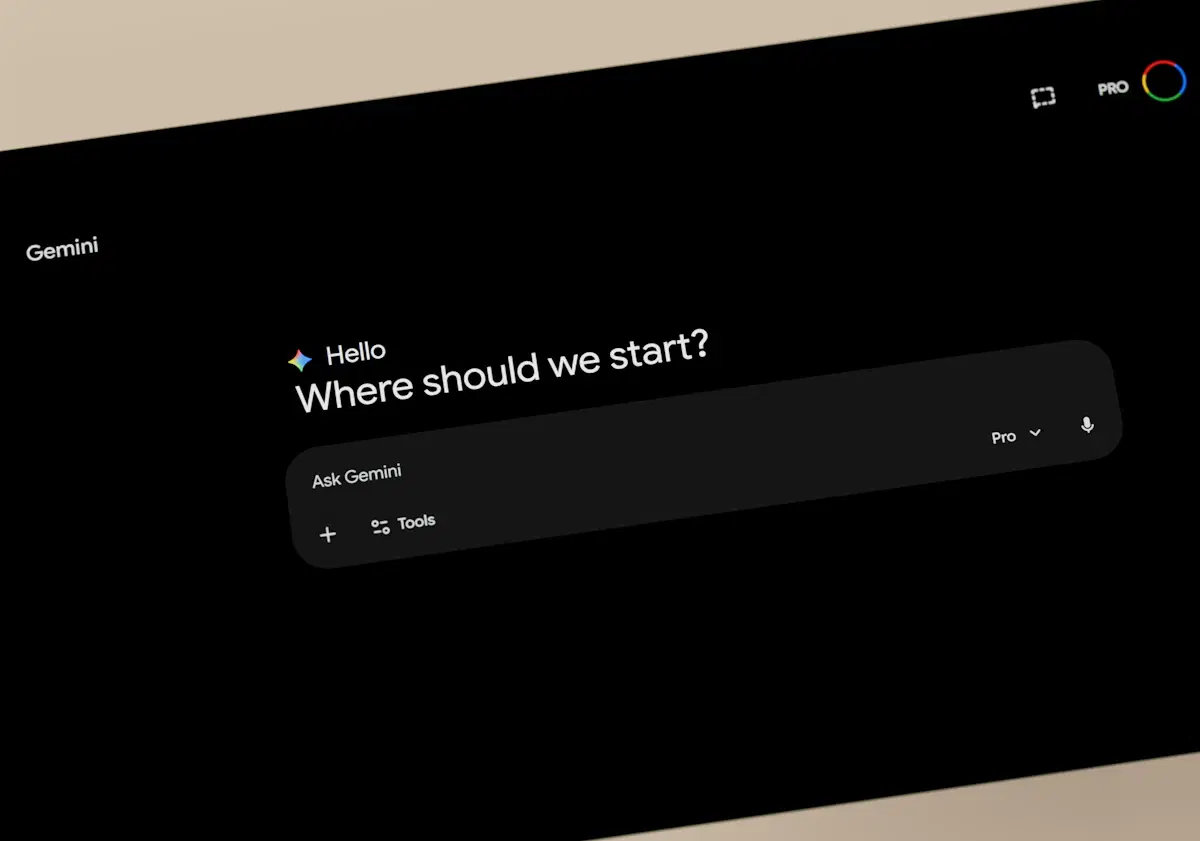
Generative engine optimization work does not look the same on every AI platform. A separate service page exists for each AI platform: ChatGPT optimization, Gemini optimization, Grok optimization and AI content optimization for Google AI Overviews. No single generic AI optimization package covers every platform. The table below lines these four services up side by side.

| Platform | What the optimization work covers |
|---|---|
| ChatGPT | A dedicated ChatGPT optimization service covers this platform as part of AI search optimization (AEO) work. |
| Gemini | A dedicated Gemini optimization service covers this platform under the same AEO umbrella. |
| Grok | A dedicated Grok optimization service covers this platform under the same AEO umbrella. |
| Google AI Overviews | An AI content optimization service covers this platform as part of AEO work. |
ChatGPT gets its own line of work rather than sitting inside a general SEO package, partly because of its reach. OpenAI announced that ChatGPT has reached 900 million weekly active users. Weigh whether a platform with that many weekly users deserves its own line of work, not just a mention in a general SEO report.
This table reflects what each platform's service page describes, not a claim about how each AI company's algorithm actually works. A buyer comparing providers should ask what a "ChatGPT optimization" line item actually includes. A platform name alone is not proof of specialized work.
Why GEO Depends on a Technical SEO Foundation Like Schema Markup and Site Health
Platform-specific GEO work only succeeds on a site that is already built right. A technical AI website optimization service covers schema markup, site structure and overall site health as part of SEO and AI search optimization work. A website SEO optimization service covers how a site's pages are organized and tagged for search engines.
A custom-built website, ecommerce store or piece of software can carry schema markup and site health work from the start.
SEO work can include keyword research and strategy and backlink building. Treat this as the same ongoing SEO work that generative engine optimization builds on, not a separate service bought on its own.
This step cannot be skipped. Check it before any platform-specific work begins. A site that is not crawlable, or that is missing structured markup, leaves nothing for an AI engine to find or extract.
How to Tell If a Provider Is Doing Real GEO Work or Relabeling SEO
A study from Princeton and IIT Delhi tested optimization tactics such as adding quotations, statistics and citations. It used a large benchmark of queries across multiple domains and found these tactics could raise content visibility in generative engine responses by as much as 40% in the study's own benchmark. That number describes the study's benchmark, not a result any provider can promise a specific business.
A provider who cites this study while promising a certain increase in your AI visibility is overstating what it shows. Watch for a similar red flag with Google AI Overviews. Google's own Search Central documentation states that websites do not need special markup or separate optimization to appear in AI Overviews or AI Mode. Standard search fundamentals apply there as well.
Real GEO work looks specific, with deliverables tied to actual audits and platform pages. A vague retainer that only renames an existing SEO report as a GEO report is relabeled SEO, not GEO.
- Ask to see the actual change made for each platform, not just a visibility score.
- Check whether the audit covers technical site health and schema markup before any platform-specific promises.
- Look for deliverables tied to one platform at a time, not one blanket "AI optimization" line item.
These signals show whether a provider's GEO work is real. The next section turns them into direct questions to ask before you sign a contract.
Questions to Ask a GEO Provider Before You Hire One
Ask any agency these questions before you sign a contract. The answers show whether the work is built for AI-generated answers or just relabeled search engine optimization.

- What does your AI visibility audit check? Ask for a list of what gets reviewed, such as site structure, content clarity, schema markup, and current visibility in AI-generated answers. A vague answer suggests no real audit exists.
- Which AI platforms do you name individually? A provider should describe separate work for platforms like ChatGPT, Gemini, Grok, and Google AI Overviews, not one generic "AI optimization" package.
- What technical foundation work is included? Ask whether schema markup, site health checks, and crawlable site structure are part of the service. Platform-specific work has nothing to build on without that foundation.
- How will you report progress? Ask what gets measured and how often. Be wary of any provider who promises a specific search ranking, a certain placement in AI answers, or a fixed return on investment.
- Can you show examples of the deliverables themselves? Ask to see a sample audit, a schema implementation, or a content structuring edit, not just a description of the service.
Capturing and Converting the Traffic AI Answers Send You
Showing up in an AI-generated answer only helps if the business can act on that traffic. A GEO service that stops at visibility leaves the response to chance. The visitor reads the answer, clicks through, and waits for someone to follow up.
The next step in a full GEO service is built to catch that visitor instead of losing them. This can include AI assistants such as website chat, an AI receptionist and appointment setting. For more on how this kind of automation keeps a lead moving after that first reply, see this marketing automation services overview.
A workspace that ties these pieces to the rest of the business closes a gap most GEO overviews skip. An all-in-one business workspace combines a CRM, the website and store, AI agents and automation, and a built-in AI assistant in one place.
Where GEO Fits Next to SEO and Answer Engine Optimization
Readers who want a fuller comparison between AEO and standard search engine optimization can see this closer look at answer engine optimization.
Work With Nexvato's AI Search Optimization Service
Nexvato's AI search optimization (AEO) service covers SEO, AEO and Google Maps local SEO together. This article's deliverables, the AI visibility audit, content structuring and technical foundation, are built around that same service. Book a free consultation to see how they would apply to your own site.