How to Convert Traffic Into Sales

Master the complete framework to turn website visitors into paying customers with proven strategies and data-driven optimization techniques

2-5%Average Conversion Rate
68%Cart Abandonment Rate
3-7Touchpoints Needed
Get Your Free Strategy

The Traffic Conversion Challenge

Most businesses struggle to convert their traffic into actual sales. Understanding why visitors don't convert is the first step to fixing it.

โš ๏ธ

High Traffic, Low Sales

Your website gets thousands of visitors but only a small percentage actually make a purchase. This disconnect costs you revenue every single day and indicates fundamental issues in your conversion path.

๐Ÿ”

Unclear Value Proposition

Visitors land on your site but quickly leave because they don't immediately understand what you offer or why they should choose you over competitors. Your message isn't clear enough.

๐Ÿ›’

Cart Abandonment

Customers add products to their cart but never complete the purchase. Hidden costs, complicated checkout processes, and lack of trust signals drive them away at the last moment.

๐Ÿ“ฑ

Poor User Experience

Slow loading times, confusing navigation, and mobile unfriendliness create friction that pushes potential customers away before they even consider buying from you.

Audit My Website Now

The Complete Conversion Funnel

Every visitor goes through multiple stages before becoming a customer. Understanding and optimizing each stage is crucial for maximum conversions.

1

Awareness Stage

This is where potential customers first discover your business. They have a problem or need but may not know your solution exists. Your goal here is to capture attention and create interest through compelling content and clear messaging.

100%Initial Traffic
60-70%Continue Browsing
2

Interest & Consideration

Visitors who stayed are now evaluating whether your solution fits their needs. They're reading product descriptions, comparing options, and looking for reasons to trust you. Social proof and detailed information become critical.

40-50%Show Interest
15-25%Deep Engagement
3

Decision & Action

The visitor is ready to buy but needs the final push. Clear calls to action, transparent pricing, easy checkout, and trust signals like guarantees and security badges help them commit to the purchase.

10-15%Add to Cart
2-5%Complete Purchase
4

Retention & Advocacy

After the first purchase, focus shifts to creating repeat customers and brand advocates. Excellent post-purchase experience, loyalty programs, and continued engagement turn one-time buyers into lifelong customers.

20-30%Repeat Purchase Rate
5-10%Become Advocates
Optimize My Funnel

8 Core Conversion Strategies

Implement these proven strategies to dramatically increase your conversion rates and turn more visitors into paying customers.

๐ŸŽฏ

Clear Value Proposition

Communicate exactly what you offer and why it matters within 5 seconds of landing on your page.

โšก

Speed Optimization

Every second of load time reduces conversions. Aim for under 3 seconds on all devices.

๐Ÿ“ฑ

Mobile First Design

Over 60% of traffic is mobile. Your mobile experience must be flawless and thumb-friendly.

โญ

Social Proof

Display reviews, testimonials, ratings, and customer stories to build instant credibility.

๐Ÿ”

Trust Signals

Show security badges, guarantees, return policies, and payment options to reduce anxiety.

๐ŸŽจ

Clear CTAs

Use contrasting colors, action-oriented text, and strategic placement for your call-to-action buttons.

๐Ÿ›’

Simplified Checkout

Reduce form fields, offer guest checkout, and show progress indicators throughout.

๐Ÿ’ฌ

Live Support

Provide instant answers through live chat to capture customers at their moment of need.

Implement These Strategies

Website Optimization Essentials

Your website is your most powerful sales tool. Every element must work together to guide visitors toward conversion.

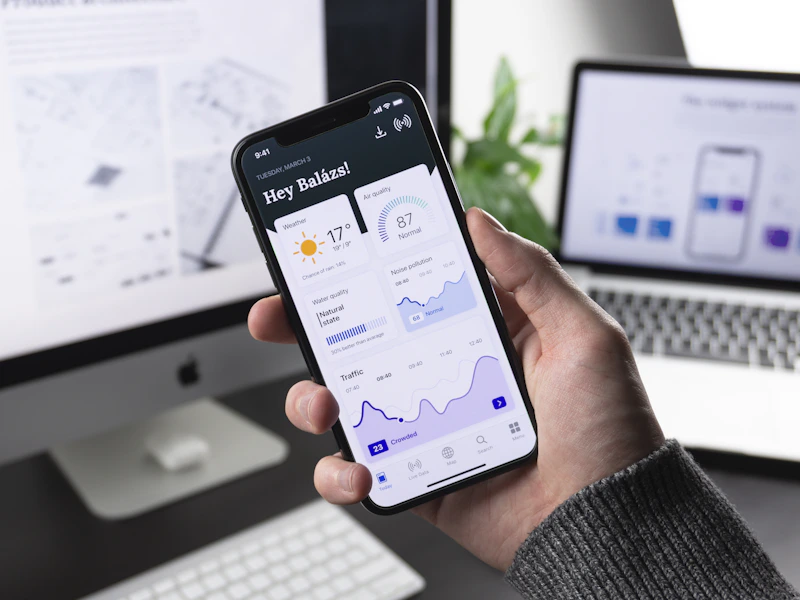
Analytics Dashboard

Data-Driven Decisions

Use analytics to understand user behavior and identify exactly where visitors drop off. Track key metrics like bounce rate, time on page, and conversion paths to make informed optimization decisions.
  • Set up Google Analytics 4 for comprehensive tracking
  • Monitor user flow and identify bottlenecks
  • Track conversion goals and ecommerce events
  • Use heatmaps to see where users click and scroll
Get Analytics Audit
Mobile Optimization

Mobile Optimization

Mobile traffic dominates the web, but mobile conversion rates lag behind desktop. Close this gap with responsive design, touch-friendly interfaces, and mobile-specific features.

  • Implement responsive design that adapts to all screen sizes
  • Make buttons and links large enough for thumb navigation
  • Optimize images for fast loading on cellular connections
  • Simplify forms with autofill and input types
Test Mobile Performance
A/B Testing

Continuous Testing

Never stop testing and improving. Small changes can lead to significant conversion increases when you systematically test different elements of your website.

  • Run A/B tests on headlines, images, and CTAs
  • Test different page layouts and content arrangements
  • Experiment with pricing displays and promotion strategies
  • Use multivariate testing for complex optimizations
Start Testing Program

The Conversion Optimization Process

Follow this systematic approach to identify problems, test solutions, and continuously improve your conversion rates.

1

Research & Analysis

Begin with comprehensive research to understand your current performance. Analyze your analytics data, conduct user surveys, and study session recordings to identify where visitors struggle. Look for patterns in behavior that indicate friction points.

2

Identify Bottlenecks

Pinpoint exactly where potential customers drop off in your conversion funnel. Use funnel visualization tools to see which pages have the highest exit rates. Common bottlenecks include pricing pages, checkout steps, and form submissions.

3

Develop Hypotheses

Based on your research, create specific hypotheses about what changes will improve conversions. Each hypothesis should be testable and based on data or user feedback. For example, if users abandon during checkout, you might hypothesize that reducing form fields will increase completion rates.

4

Design & Test

Create variations based on your hypotheses and run controlled A/B tests. Ensure tests reach statistical significance before drawing conclusions. Test one element at a time for clear insights, or use multivariate testing for complex interactions.

5

Implement Winners

Roll out winning variations to all users and monitor performance to ensure results hold steady. Document what worked and why to build institutional knowledge. Sometimes winning tests show diminishing returns over time, so continue monitoring.

6

Iterate & Repeat

Conversion optimization is never finished. Markets change, competitors evolve, and user expectations shift. Return to step one regularly to find new opportunities for improvement. The best companies test continuously and make optimization a core part of their culture.

Start Optimization Process

Essential Conversion Tools

Equip yourself with the right tools to track, analyze, and optimize your conversion rates effectively.

๐Ÿ“Š

Google Analytics 4

Analytics Platform

Track user behavior, conversion paths, and identify drop-off points with comprehensive analytics.

๐Ÿ”ฅ

Hotjar

Behavior Analytics

Visualize user interactions with heatmaps, recordings, and on-site surveys to understand behavior.

๐Ÿงช

Google Optimize

A/B Testing

Run split tests and multivariate experiments to find winning variations of your pages.

๐Ÿ“ˆ

Optimizely

Experimentation

Enterprise-grade testing and personalization platform for data-driven optimization.

๐Ÿ’ฌ

Intercom

Live Chat

Engage visitors in real-time, answer questions, and guide them toward conversion.

โญ

Trustpilot

Social Proof

Collect and display customer reviews to build trust and credibility with visitors.

๐Ÿ“ง

Mailchimp

Email Marketing

Nurture leads and recover abandoned carts with targeted email campaigns.

๐ŸŽฏ

Google Tag Manager

Tag Management

Manage tracking codes and marketing tags without modifying your website code.

Get Tool Recommendations

Landing Page Best Practices

Your landing page is often the first impression visitors have of your business. Make it count with these proven elements.

โœ“

Compelling Headline

Your headline should immediately communicate your value proposition and grab attention. It should answer the question "What's in it for me?" within seconds of landing on the page.

โœ“

Clear Call to Action

Your CTA button should stand out visually and use action-oriented language like "Get Started," "Claim Your Free Trial," or "Shop Now." Place it above the fold and repeat it throughout long pages.

โœ“

Benefits Over Features

Focus on how your product or service improves your customer's life rather than just listing features. Show them the transformation and outcomes they can expect.

โœ“

Social Proof Elements

Include customer testimonials, review ratings, client logos, case studies, and trust badges. People are more likely to convert when they see others have successfully used your product.

โœ“

High-Quality Visuals

Use professional images or videos that showcase your product in action. Avoid generic stock photos and instead show real people using your product or service.

โœ“

Mobile Responsiveness

Ensure your landing page looks perfect and functions flawlessly on all mobile devices. Test on multiple screen sizes and orientations to catch any issues.

โœ“

Fast Load Times

Optimize images, minimize code, and use content delivery networks to ensure your page loads in under three seconds. Every second of delay reduces conversions significantly.

โœ“

Remove Distractions

Eliminate unnecessary navigation, links, and competing calls to action. Keep visitors focused on the single goal of your landing page without giving them ways to leave.

Optimize My Landing Pages

Key Metrics to Track

Monitor these critical metrics to understand your conversion performance and identify opportunities for improvement.

๐ŸŽฏ
Conversion Rate
3.8%
โ†‘ 0.7% from last month
โฑ๏ธ
Page Load Time
2.1s
โ†“ 0.4s from last month
๐Ÿ‘ฅ
Bounce Rate
42%
โ†“ 8% from last month
๐Ÿ›’
Cart Abandonment
65%
โ†“ 5% from last month
๐Ÿ’ฐ
Average Order Value
$127
โ†‘ $12 from last month
๐Ÿ”„
Return Customer Rate
28%
โ†‘ 4% from last month
๐Ÿ“ฑ
Mobile Conversion
2.1%
โ†‘ 0.5% from last month
โญ
Customer Satisfaction
4.6/5
โ†‘ 0.2 from last month
๐Ÿ“Š
Form Completion Rate
58%
โ†‘ 12% from last month
Setup Analytics Tracking

Advanced Conversion Techniques

Take your conversion optimization to the next level with these advanced strategies used by top-performing businesses.

1

Personalization at Scale

Use data to deliver personalized experiences to different visitor segments. Show relevant products based on browsing history, customize messaging for different traffic sources, and adapt your content to user preferences and behavior patterns.

2

Abandoned Cart Recovery

Implement automated email sequences to recover abandoned carts. Send the first email within an hour of abandonment, offer incentives in follow-up emails, and make it easy for customers to complete their purchase with saved cart links.

3

Exit-Intent Popups

Capture visitors before they leave with well-timed exit-intent offers. Provide compelling last-minute discounts, free shipping, or valuable content downloads. Keep the messaging focused and the design non-intrusive to maximize effectiveness.

4

Urgency and Scarcity

Ethically leverage urgency with limited-time offers and scarcity with low stock indicators. Show how many items are left, add countdown timers for sales, and highlight when deals are about to expire to motivate immediate action.

5

Remarketing Campaigns

Stay top of mind with previous visitors through targeted remarketing ads. Show ads for products they viewed, offer special discounts to bring them back, and use different messaging for different stages of the buyer journey.

6

Progressive Profiling

Collect customer information gradually over time rather than all at once. Start with minimal required fields and gather additional details through subsequent interactions. This reduces initial friction while building comprehensive customer profiles.

7

Value Ladder Strategy

Offer a range of products at different price points to match various customer readiness levels. Start with low-commitment offers to acquire customers, then upsell to higher-value products as trust builds and needs evolve.

8

Post-Purchase Optimization

The sale is just the beginning of the relationship. Optimize the post-purchase experience with order confirmations, shipping updates, and follow-up surveys. Turn buyers into repeat customers through excellent service and strategic communication.

Apply Advanced Techniques

Building Trust That Converts

Trust is the foundation of every online transaction. Without it, even the best products won't sell.

Trust Signals

Display Trust Signals

Show visitors they can trust your business with clear trust indicators throughout your site. These signals reduce anxiety and increase confidence in making a purchase.

  • Display security badges from Norton, McAfee, or similar providers
  • Show payment options from trusted brands like Visa, PayPal, and American Express
  • Highlight SSL encryption with visible secure checkout indicators
  • Feature industry certifications and professional memberships
  • Include money-back guarantees and clear return policies
Audit Trust Signals
Customer Reviews

Leverage Social Proof

People trust other people more than they trust brands. Use customer voices to build credibility and show real-world success with your products or services.

  • Feature detailed customer testimonials with photos and names
  • Display star ratings and review counts prominently
  • Show real-time purchase notifications and user activity
  • Highlight case studies with measurable results and outcomes
  • Feature user-generated content like photos and videos
Implement Social Proof
Transparent Business

Be Transparent

Hidden costs and unclear policies destroy trust instantly. Be upfront about everything to reduce anxiety and build long-term customer relationships.

  • Show total costs including shipping and taxes upfront
  • Clearly communicate delivery times and shipping options
  • Make contact information easy to find on every page
  • Write clear, honest product descriptions without exaggeration
  • Share your company story and values authentically
Review Transparency

Ready to Transform Your Traffic into Sales?

Our team of conversion experts will analyze your website, identify bottlenecks, and create a custom optimization strategy to dramatically increase your conversions.

Get Your Free Conversion Audit

Before vs After Optimization

See the dramatic impact that proper conversion optimization can have on your key business metrics.

Metric
Before
After
Improvement
Conversion Rate
1.8%
4.2%
+133%
Average Order Value
$89
$127
+43%
Cart Abandonment
78%
62%
-21%
Page Load Time
5.2s
1.9s
-63%
Mobile Conversion
0.9%
3.1%
+244%
Form Completion
32%
61%
+91%
Return Customer Rate
15%
31%
+107%
Revenue Per Visitor
$1.60
$5.33
+233%
See Similar Results

Official Resources & Further Reading

Deepen your knowledge with these authoritative sources from Google and industry leaders.

Google Optimize Help Center

support.google.com/optimize

Web.dev by Google

web.dev/learn

Google PageSpeed Insights

pagespeed.web.dev

Think with Google

thinkwithgoogle.com
Work with Experts

Frequently Asked Questions

Get answers to the most common questions about converting traffic into sales.

What is a good conversion rate for my website?+
A good conversion rate varies by industry, but generally ranges from two to five percent for ecommerce sites. However, top-performing websites can achieve conversion rates of ten percent or higher. The key is to focus on improving your own baseline rather than comparing yourself to others. Factors affecting conversion rates include your industry, traffic sources, product price points, and target audience. Focus on continuous improvement through testing and optimization rather than hitting arbitrary benchmarks.
How long does it take to see improvements in conversion rates?+
Quick wins like fixing broken forms or adding trust badges can show results within days. However, meaningful and sustained improvements typically take two to three months of consistent optimization efforts. This timeframe allows you to implement changes, gather sufficient data, run proper tests, and validate results. Conversion optimization is an ongoing process, not a one-time project. Plan for continuous testing and refinement over six to twelve months to achieve significant long-term gains.
What is the biggest factor affecting conversion rates?+
While many factors influence conversions, website speed and mobile experience are consistently among the most impactful. Studies show that a one-second delay in page load time can reduce conversions by seven percent. Additionally, with over sixty percent of traffic coming from mobile devices, a poor mobile experience severely impacts conversions. Beyond technical factors, trust and credibility through social proof, clear value propositions, and streamlined user flows are critical for conversion success.
Should I focus on getting more traffic or improving conversions first?+
Generally, you should prioritize conversion optimization before scaling traffic. It makes no sense to drive more visitors to a website that is not converting well. Improving your conversion rate from two percent to four percent doubles your revenue from the same traffic. Once you have optimized your conversion funnel and are consistently converting visitors at a healthy rate, then invest in driving more qualified traffic. This approach maximizes your return on investment for both optimization and traffic acquisition efforts.
How do I reduce cart abandonment rates?+
The most effective strategies for reducing cart abandonment include offering guest checkout options, displaying total costs including shipping early in the process, simplifying your checkout form to require minimal information, providing multiple payment options, adding trust signals and security badges, showing a clear progress indicator, and implementing abandoned cart email campaigns. Address unexpected costs, which are the number one reason for cart abandonment. Be transparent about shipping costs and delivery times from the beginning.
What tools do I need to start conversion optimization?+
Start with Google Analytics for tracking visitor behavior and conversions, add a heatmap tool like Hotjar to understand user interactions, implement Google Tag Manager for easy tracking setup, and use an A/B testing tool like Google Optimize or Optimizely for experimentation. These core tools provide the foundation for data-driven optimization. As you mature your program, consider adding session recording software, user feedback tools, and advanced personalization platforms. The key is to use your tools consistently rather than having the most expensive tools.
How important is mobile optimization for conversions?+
Mobile optimization is absolutely critical for modern conversion success. More than sixty percent of web traffic comes from mobile devices, yet mobile conversion rates typically lag behind desktop by thirty to fifty percent. This gap represents enormous opportunity. Ensure your site is responsive, buttons are thumb-friendly, forms are simplified with appropriate input types, page load times are fast on cellular connections, and the checkout process works flawlessly on small screens. Google also prioritizes mobile-friendly sites in search rankings, making mobile optimization essential for both conversions and visibility.
What is A/B testing and do I need it?+
A/B testing involves showing two different versions of a webpage to visitors and measuring which performs better. Yes, you absolutely need it for conversion optimization. Testing removes guesswork and lets data guide your decisions. You can test headlines, button colors, page layouts, images, copy, pricing displays, and checkout flows. Even small improvements compound over time. The key is to test one element at a time, wait for statistical significance, and implement winners. Without testing, you are making optimization decisions based on opinions rather than evidence.
How do I know which pages to optimize first?+
Prioritize pages based on traffic volume and their position in your conversion funnel. Start with your homepage and main landing pages since they receive the most visitors. Next, optimize pages with high traffic but poor conversion or engagement metrics. Use Google Analytics to identify pages with high bounce rates or where visitors commonly exit your site. Also focus on checkout pages where cart abandonment occurs. The goal is to fix pages where improvements will have the biggest impact on your bottom line.
What role does content play in conversion optimization?+
Content is fundamental to conversion success because it communicates value, builds trust, and guides visitors toward purchase decisions. Great content clearly explains what you offer, addresses customer pain points and objections, demonstrates authority and expertise, includes social proof and testimonials, and uses persuasive language without hype. Focus on benefits rather than features, write in your customer's language, and structure content for scanability with headers and bullet points. Every piece of content should move visitors closer to conversion while maintaining authenticity and building trust.
Get Personalized Answers

Start Converting More Traffic Today

Stop leaving money on the table. Let our conversion experts analyze your website and create a custom strategy to transform your traffic into consistent sales growth.

Join 500+ businesses that have transformed their conversion rates with Nexvato

Get Your Free Marketing Proposal

Share a few details about your business and objectives, and our team will craft a personalized growth plan focused on traffic, leads, and revenue growth.

Every recommendation is tailored to industry and built to scale your business.

Stay Ahead of the Curve

Get weekly insights on SEO, AI automation, and digital marketing trends delivered straight to your inbox.

Get Your Free Growth Strategy

Share your details and our experts will craft a custom roadmap to scale your business.

100% Free
No Obligation
Expert Advice

You're All Set!

Thank you! Our experts will reach out within 24 hours with your personalized growth strategy.