Share a few details about your business and objectives, and our team will craft a personalized growth plan focused on traffic, leads, and revenue growth.
Every recommendation is tailored to industry and built to scale your business.
Master digital marketing, SEO, and AI automation with expert guides designed to scale your business and dominate search rankings.
Understanding search engine optimization fundamentals combined with artificial intelligence is no longer optional for businesses aiming to succeed online. Modern SEO leverages AI-powered tools to analyze user behavior patterns, predict search trends, and optimize content strategies that rank higher on Google.
Search algorithms have evolved dramatically, now prioritizing user experience signals, page speed, mobile responsiveness, and content quality over traditional keyword stuffing methods. Successful SEO strategies integrate technical optimization with semantic search understanding.

Artificial intelligence transforms how search engines interpret content, moving beyond exact keyword matches to understanding user intent, context, and semantic relationships. AI tools analyze millions of data points to identify optimization opportunities that human analysis might miss.
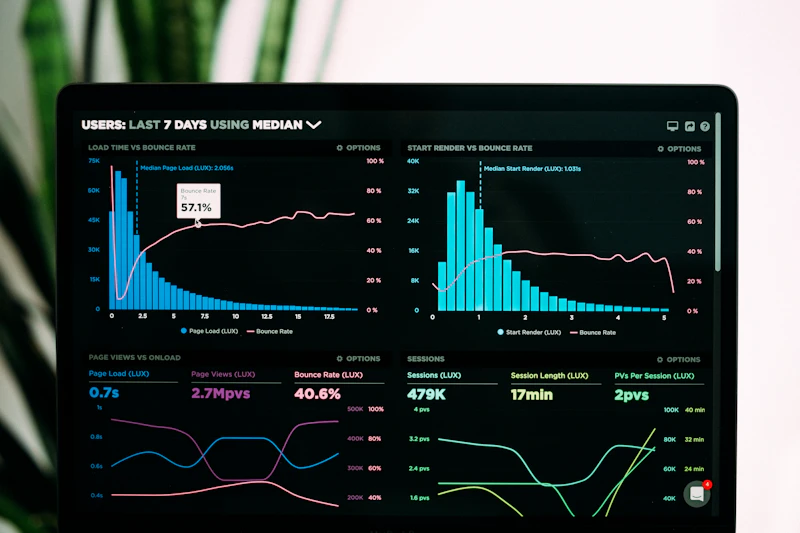
Discover how to identify high-value keywords with commercial intent, analyze search volume trends, and uncover long-tail opportunities that drive qualified traffic to your website.
Master Google's user experience metrics including Largest Contentful Paint, First Input Delay, and Cumulative Layout Shift to improve rankings and user satisfaction.
Leverage artificial intelligence for content creation, optimization, and distribution while maintaining authenticity and providing genuine value to your audience.
Comprehensive digital marketing strategies encompassing paid advertising, social media marketing, email campaigns, and conversion rate optimization deliver measurable results when executed with precision and data-driven insights.
Pay-per-click advertising platforms including Google Ads, Facebook Ads, and LinkedIn Ads offer unprecedented targeting capabilities, allowing businesses to reach specific demographics, interests, and behaviors with surgical precision. Successful campaigns balance bid strategies, ad quality, and landing page optimization.

Build automated email sequences that nurture leads through personalized content, behavior-triggered campaigns, and segmentation strategies that deliver relevant messages at optimal times.
Create compelling social media presence through content planning, community engagement, influencer partnerships, and analytics-driven optimization across all major platforms.
Master Google Analytics 4, conversion tracking, multi-touch attribution models, and data visualization techniques that reveal customer journey insights and optimization opportunities.
Real results from businesses implementing strategies from our knowledgebase
Artificial intelligence automation revolutionizes business operations by eliminating repetitive tasks, improving accuracy, and freeing teams to focus on strategic initiatives that drive growth and innovation.
Marketing automation platforms integrate customer data, behavioral triggers, and personalized messaging to create seamless customer experiences. These systems track interactions across email, social media, website visits, and purchase history to deliver contextually relevant communications.

AI-powered content tools analyze top-ranking pages, identify content gaps, and generate optimized copy that matches search intent while maintaining brand voice. These technologies accelerate content production without sacrificing quality or authenticity.

Connect applications and automate repetitive workflows using tools like Zapier, Make, and custom API integrations that eliminate manual data entry and reduce human error.
Deploy intelligent chatbots handling customer inquiries, qualifying leads, scheduling appointments, and providing instant support across website, social media, and messaging platforms.
Generate graphics, edit images, create variations, and produce marketing materials using AI-powered design platforms that understand composition, color theory, and brand guidelines.

Conversion rate optimization transforms website visitors into customers through strategic design, compelling copy, streamlined user experiences, and data-driven testing methodologies that identify exactly what resonates with your audience.
Website usability directly impacts conversion rates, with studies showing that even one-second delays in page load time can reduce conversions by seven percent. Successful websites prioritize intuitive navigation, clear value propositions, and frictionless checkout processes.
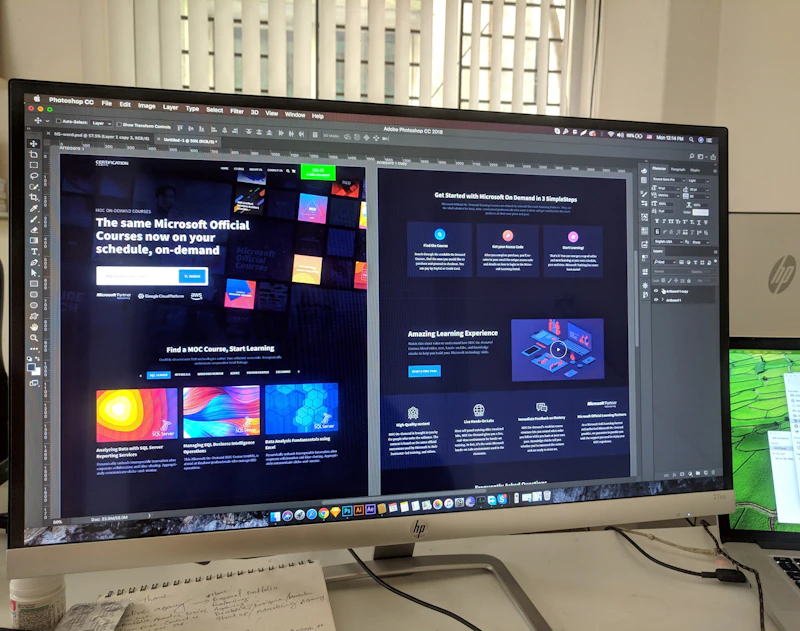
Analyzing the customer journey from initial awareness through purchase completion reveals conversion bottlenecks and optimization opportunities. Split testing variations of headlines, calls-to-action, layouts, and pricing strategies identifies winning combinations.

Create high-converting landing pages with focused messaging, compelling headlines, benefit-driven copy, social proof elements, and prominent calls-to-action that drive specific user behaviors.
Master proven copywriting frameworks like AIDA, PAS, and Before-After-Bridge that capture attention, build desire, and motivate action through psychologically-informed persuasion techniques.
Implement systematic experimentation programs using multivariate testing, personalization engines, and statistical analysis to continuously improve conversion performance over time.
Local search optimization ensures businesses appear prominently when nearby customers search for relevant products and services, with seventy-six percent of local mobile searches resulting in store visits within twenty-four hours.
Your Google Business Profile serves as the foundation of local SEO success, appearing in Google Maps results and local pack listings. Complete optimization includes accurate business information, compelling descriptions, high-quality photos, regular posts, and prompt review responses.

Consistent business information across online directories, review platforms, and mapping services strengthens local search visibility. Citations from authoritative sources signal trustworthiness to search engines and help customers discover your business through multiple channels.

Develop systematic review generation processes, respond professionally to all feedback, and leverage positive reviews across marketing materials to build trust and attract new customers.
Create dedicated location pages for multi-location businesses with unique content, local keywords, customer testimonials, and area-specific information that ranks for geo-targeted searches.
Optimize for Google's local three-pack through proximity signals, review quality and quantity, citation consistency, and on-page optimization targeting local search terms.
Master the technical implementation and strategic deployment of marketing platforms including content management systems, advertising networks, analytics tools, and automation software that power modern digital marketing operations.
Configure WordPress for maximum performance, security, and SEO effectiveness through proper hosting selection, caching implementation, plugin optimization, and theme customization best practices.
Launch profitable Google Ads campaigns through proper account structure, conversion tracking implementation, audience targeting refinement, and bid strategy optimization for maximum ROI.
Implement Google Analytics 4 correctly with proper event tracking, conversion measurement, audience segmentation, and custom reporting that reveals actionable business insights.
Configure email marketing platforms like Mailchimp, Klaviyo, or ActiveCampaign with proper list segmentation, automation workflows, and deliverability optimization techniques.
Deploy and optimize Shopify, WooCommerce, or BigCommerce stores with payment processing, inventory management, shipping integration, and conversion-focused design elements.
Connect HubSpot, Salesforce, or Pipedrive with marketing tools through API integrations, data synchronization, and workflow automation that eliminates manual data entry.
Common questions about implementing digital marketing strategies, SEO techniques, and automation tools answered with actionable insights and practical guidance.
SEO typically requires three to six months to generate noticeable organic traffic improvements, though this timeline varies based on competition levels, website authority, content quality, and technical optimization. Newer websites in competitive industries may require twelve months or longer to achieve first-page rankings, while established domains with strong backlink profiles can see improvements within six to eight weeks. Consistent content publishing, technical optimization, and link building accelerate results. Quick wins like fixing technical errors, optimizing title tags, and improving page speed can deliver improvements within weeks, while comprehensive content strategies and authority building require sustained effort over months.
SEO generates organic traffic through unpaid search rankings achieved via content optimization, technical improvements, and link building, while paid advertising displays ads above organic results through platforms like Google Ads. SEO requires upfront investment with long-term compounding benefits, whereas paid advertising delivers immediate visibility but stops when budget runs out. SEO builds sustainable traffic sources and brand authority, while paid ads provide precise targeting and immediate results. Most successful strategies combine both approaches, using paid advertising for immediate leads while building organic presence for long-term growth. SEO costs are primarily labor and content creation, while paid advertising requires continuous ad spend budgets.
Digital marketing budgets typically range from five to fifteen percent of revenue for established businesses, with higher percentages for growth-stage companies. B2B companies average nine percent while B2C businesses allocate twelve percent of revenue. Budget allocation depends on business goals, industry competition, growth targets, and customer acquisition costs. Effective distribution includes thirty to forty percent for paid advertising, twenty to thirty percent for content creation and SEO, fifteen to twenty percent for tools and software, and the remainder for creative production and testing. Startups should invest heavily upfront to build brand awareness, while mature businesses maintain consistent spending to defend market position and explore new channels.
AI augments rather than replaces human marketers by automating repetitive tasks, analyzing massive datasets, and generating content drafts, allowing marketers to focus on strategy, creativity, and relationship building. AI excels at data processing, pattern recognition, and optimization but lacks human judgment, emotional intelligence, and strategic thinking required for brand positioning, creative direction, and complex campaign management. Successful marketing teams leverage AI for efficiency gains in content production, audience segmentation, and performance analysis while applying human expertise to creative development, messaging refinement, and strategic decision making. The future involves human-AI collaboration where each handles tasks matching their strengths.
Essential metrics include website traffic volume and sources, conversion rates across different channels, customer acquisition cost, customer lifetime value, return on ad spend, email open and click-through rates, social media engagement, and organic search rankings. Revenue-focused businesses prioritize conversion metrics and ROI calculations, while brand-building efforts emphasize reach, engagement, and awareness indicators. Track leading indicators like traffic and engagement alongside lagging indicators like revenue and customer retention. Segment metrics by channel, campaign, and audience for actionable insights. Establish baseline measurements, set realistic improvement targets, and review performance weekly for tactical adjustments and monthly for strategic evaluation. Focus on metrics directly impacting business objectives rather than vanity metrics lacking business relevance.
Content update frequency depends on industry dynamics, with news and trending topics requiring daily updates while evergreen educational content may need quarterly refreshes. High-performing pages should be reviewed monthly for accuracy, expanded with new information, and updated with current statistics and examples. Blog publishing schedules vary from multiple times weekly for competitive industries to weekly or biweekly for niche markets. Consistency matters more than frequency, with regular publishing schedules performing better than sporadic bursts. Update old content when information becomes outdated, search rankings decline, or new developments emerge in your field. Fresh content signals active website management to search engines and provides returning visitors with new value. Balance new content creation with refreshing existing high-performing pages for maximum SEO impact.