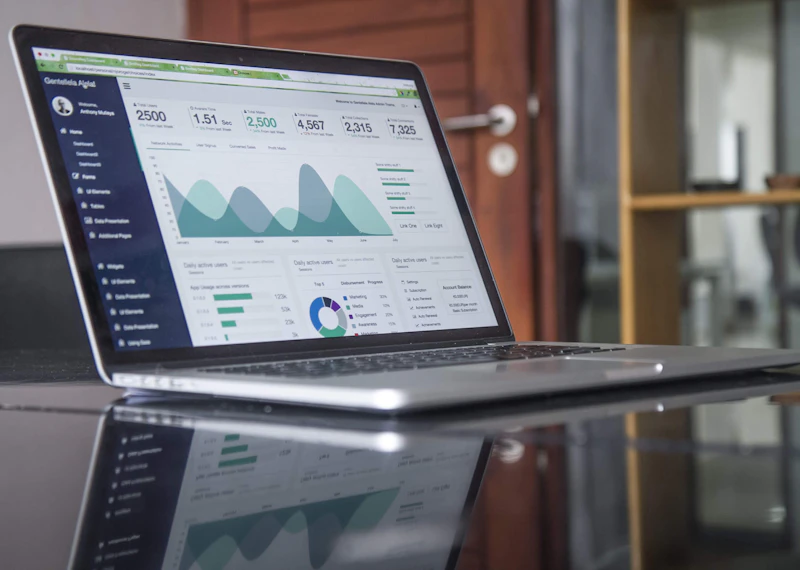
Paid vs Organic Marketing:
Which Actually Works Better?

The ultimate data-driven comparison to help you make the right choice for your business. Discover which strategy delivers real ROI and when to use each approach.

Get Your Strategy Now

Understanding the Fundamental Difference

Before diving into which works better, let's understand what we're actually comparing and why this question matters for your business success.

What Makes Them Different?

Paid marketing means investing money directly to get immediate visibility. You pay platforms like Google, Facebook, or LinkedIn to show your message to potential customers right now. The moment you stop paying, your visibility disappears.

Organic marketing focuses on earning attention naturally through valuable content, search engine optimization, and building genuine connections. It takes longer to see results, but the benefits compound over time and continue even when you're not actively investing.

The real question isn't which one is "better" in absolute terms, but which one aligns with your specific business goals, timeline, budget, and growth stage.

See Full Comparison
Marketing Strategy

Paid Marketing: Speed at a Price

Understanding the power and limitations of paid advertising channels and when they make the most business sense.

🚀

Instant Results

Launch your campaign today and start seeing traffic, leads, and sales within hours. Paid advertising delivers immediate visibility exactly when you need it.

  • Traffic starts flowing within minutes of launch
  • Complete control over targeting and budget
  • Real-time performance tracking and optimization
  • Scalable results based on investment

Average Cost Per Click (Google Ads): $2.69 across all industries, with legal and insurance sectors reaching $6+ per click according to Google Ads Benchmarks.

🎯

Precise Targeting

Reach exactly the people you want, when you want, with laser-focused targeting options that organic methods cannot match.

  • Target by demographics, interests, and behaviors
  • Retarget website visitors and past customers
  • Geographic and device-specific targeting
  • Time-of-day and seasonal campaign control

Conversion Rate: Average paid search conversion rate is 3.75% across industries, while top performers achieve 10%+ according to Google Ads data.

📊

Measurable ROI

Track every dollar spent and every result generated with detailed analytics that show exactly what's working.

  • See real-time campaign performance metrics
  • Track conversions from ad to sale
  • Calculate exact cost per acquisition
  • A/B test different approaches instantly

Average ROI: Businesses make $2 for every $1 spent on Google Ads, while top performers see 8:1 returns as reported by Google Economic Impact.

See Cost Breakdown
⚠️

The Limitations

Understanding the downsides helps you make informed decisions about when paid marketing is the right choice.

  • Ongoing costs required to maintain visibility
  • Results disappear when budget stops
  • Rising costs due to increased competition
  • Ad fatigue and banner blindness reduce effectiveness

Cost Trend: Google Ads cost-per-click increased 15% year-over-year in 2023, making long-term paid-only strategies increasingly expensive.

Organic Marketing: The Long Game

Why organic marketing creates sustainable, compounding returns that keep working long after the initial investment.

🌱

Sustainable Growth

Build a foundation that continues delivering results month after month without constant investment.

  • Compound returns that grow over time
  • Content continues attracting traffic for years
  • Build brand authority and trust naturally
  • Higher conversion rates from warm traffic

Long-term Value: Quality content continues generating traffic for 2+ years, with some pieces driving results for 5+ years according to Google Search Console data.

💰

Lower Long-Term Cost

After initial investment, organic channels deliver traffic and leads at dramatically lower cost per acquisition.

  • No per-click costs for organic traffic
  • One piece of content serves unlimited visitors
  • Decreasing cost per lead over time
  • Higher profit margins on organic customers

Cost Efficiency: Organic search delivers 20x higher ROI than paid ads in the long run, with some businesses achieving $40+ return per $1 invested.

🏆

Trust and Authority

Organic visibility signals credibility and expertise that paid placements cannot match.

  • Users trust organic results 70% more than ads
  • Build genuine relationships with audience
  • Establish thought leadership in your industry
  • Create shareable, linkable assets

Trust Factor: 70% of search users click only on organic results, avoiding paid ads entirely according to Google Search Research.

See ROI Timeline

The Patience Factor

The main challenge with organic is the time investment required before seeing meaningful results.

  • Typical SEO results take 4-6 months minimum
  • Building social following requires consistent effort
  • Content marketing needs volume to work
  • Algorithm changes can impact visibility

Timeline Reality: Most businesses see significant organic traffic growth after 6-12 months of consistent effort, with exponential growth after 12-18 months.

Paid vs Organic: Side by Side

A comprehensive comparison across every factor that matters for your business decision.

🌿 Organic Marketing

  • 🐌

    Speed to Results

    4-12 months for significant traffic and conversions

  • 💰

    Initial Investment

    $2,000 - $5,000/month in content and SEO efforts

  • 📊

    Scalability

    Compounds over time - exponential not linear growth

  • 🌐

    Targeting Precision

    Broad targeting through keywords and content topics

  • 📉

    Measurement

    Harder to attribute - multiple touchpoints and longer cycles

  • ♾️

    Sustainability

    Keeps working indefinitely - content stays valuable for years

Help Me Choose My Strategy

When Each Strategy Pays Off

Understanding the timeline helps set realistic expectations and plan your marketing budget effectively.

Month 1-2

Paid Wins Immediately

Paid advertising delivers instant results from day one. You can generate leads, sales, and revenue immediately while building brand awareness. Organic efforts are just getting started with minimal visible results.

Month 3-6

Organic Starts Building

Organic traffic begins showing up as content gets indexed and ranks. Early organic conversions appear. Paid continues delivering but at ongoing cost. Smart businesses use paid to fund organic development.

Month 6-12

The Crossover Point

Organic traffic and conversions accelerate significantly. Cost per acquisition from organic drops below paid. The gap widens as organic compounds while paid costs remain constant or increase.

Month 12-24

Organic Dominates ROI

Organic delivers 3-5x better ROI than paid at this stage. Content created months ago continues generating traffic and conversions at near-zero incremental cost. Paid remains valuable for quick tests and seasonal campaigns.

Year 2+

Compounding Returns

Organic marketing delivers exponential returns. Each new piece of content adds to a growing library that works 24/7. Paid campaigns still work but require constant investment with no residual value.

Calculate Your Investment

What You'll Actually Spend

Transparent cost breakdowns to help you budget realistically for either approach.

Paid Marketing Costs

🔍
$2.69
Average CPC

Average cost per click across all industries on Google Ads. Legal and finance can reach $6-8+ per click.

💼
$1.72
Social Media CPC

Average cost per click on Facebook and Instagram ads. LinkedIn averages $5.26 for B2B targeting.

📱
$3,500
Monthly Minimum

Minimum monthly spend to see meaningful results across most industries with paid advertising.

🎯
$150
Cost Per Lead

Average cost to acquire one qualified lead through paid channels. B2B can reach $300-500 per lead.

Organic Marketing Costs

✍️
$2,000
Content Creation

Monthly investment in quality content creation including blog posts, guides, and resources.

🔧
$1,500
SEO Services

Monthly SEO optimization including technical improvements, link building, and keyword research.

📊
$500
Tools & Analytics

Monthly cost for SEO tools, analytics platforms, and keyword research software subscriptions.

$15
Cost Per Lead (Year 2)

Average cost per organic lead after 12-18 months drops to $15-30 as traffic compounds.

Paid Marketing ROI
2:1

Average return on investment ratio from paid advertising campaigns

Organic Marketing ROI
20:1

Average return on investment after 18-24 months of consistent organic efforts

See the Hybrid Approach

Key Performance Metrics

The essential metrics to track for each approach to ensure you're getting real results.

Paid Marketing Metrics

CPC
Cost Per Click
CTR
Click-Through Rate
CPA
Cost Per Acquisition
ROAS
Return on Ad Spend
CVR
Conversion Rate
QS
Quality Score
IR
Impression Rate
LTV
Lifetime Value

Organic Marketing Metrics

Traffic
Organic Sessions
Rankings
Keyword Positions
DA/DR
Domain Authority
Backlinks
Quality Link Profile
Engagement
Time on Page
Conversions
Organic Goal Completions
CTR
Search Click Rate
Index
Pages Indexed
Get Free Google Tools

What Works Best for Your Industry

Different industries see vastly different results from paid versus organic strategies based on competition, customer behavior, and purchase cycles.

🏥
Healthcare
Organic-First Strategy

Patients research extensively before choosing providers. Strong organic presence builds trust and authority. Focus 70% organic, 30% paid for urgent services.

⚖️
Legal Services
Balanced Approach

High-value cases justify paid ads ($50+ CPC). But organic builds credibility. Invest 50/50 with emphasis on local SEO and Google Business Profile.

🛒
E-Commerce
Paid-First Strategy

Competitive space requires paid ads for quick wins. Use 60% paid for immediate sales, 40% organic for long-term brand building and repeat customers.

💼
B2B SaaS
Organic-Heavy Hybrid

Long sales cycles benefit from content marketing and SEO. Use 70% organic for thought leadership, 30% paid for retargeting and account-based marketing.

🏠
Real Estate
Local Organic Focus

Local SEO and Google Maps dominate. Invest 75% in organic local optimization, 25% paid for specific listings and seasonal campaigns.

🍔
Restaurants
Local Organic + Social

Google Business Profile and reviews drive traffic. Focus 60% organic local, 30% social media, 10% paid for events and promotions.

💰
Financial Services
Balanced Approach

High CPC makes paid expensive but effective for conversion. Trust requires organic content. Split 50/50 with strong content marketing.

🎓
Education
Organic-First Strategy

Students and parents research thoroughly. Educational content ranks well and builds authority. Use 75% organic, 25% paid for enrollment deadlines.

Get Your Custom Strategy

Why You Actually Need Both

The most successful businesses don't choose between paid and organic—they strategically combine both for maximum impact.

The Synergy Effect

Paid and organic marketing are not competitors—they're complementary forces that work exponentially better together than either does alone.

Use paid advertising to generate immediate revenue and test messaging while your organic efforts build long-term assets. The revenue from paid ads can fund content creation and SEO work that eventually reduces your reliance on paid channels.

  • Use paid data to identify high-converting keywords for organic targeting
  • Leverage organic content to improve paid ad quality scores and lower costs
  • Test messaging with paid ads before committing to long-form organic content
  • Retarget organic visitors with paid ads to maximize conversion rates
  • Build brand recognition through paid while establishing authority through organic
  • Use paid to fill gaps while organic efforts gain momentum

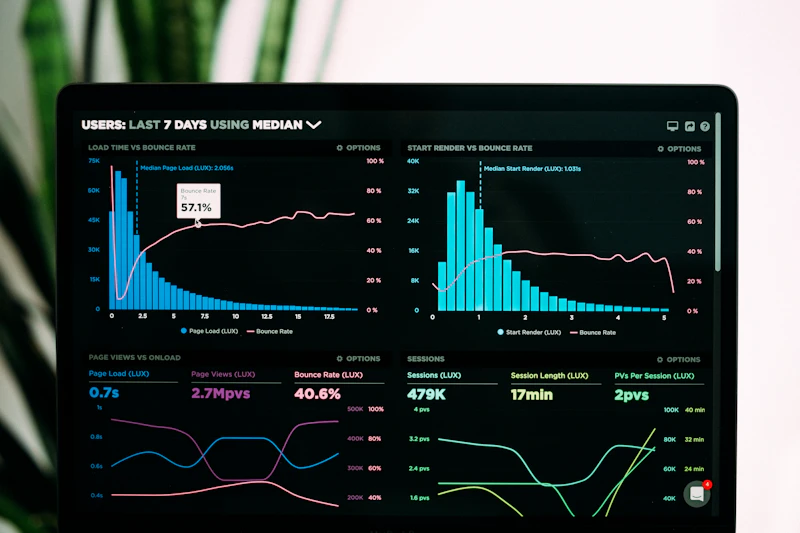
Recommended Split: Start with 60% paid, 40% organic. Gradually shift to 40% paid, 60% organic as organic gains traction.
Build Your Hybrid Strategy
Marketing Strategy

Budget Allocation Over Time

Month 1-3
70% Paid
Month 4-6
60% Paid
Month 7-12
50% Paid
Year 2+
35% Paid

8 Costly Mistakes to Avoid

Learn from common errors that waste budgets and sabotage results in both paid and organic marketing.

1
Going All-In on Paid

Relying entirely on paid ads leaves you vulnerable to rising costs and creates no long-term assets. Always invest at least 30% in organic even when starting.

2
Expecting Instant Organic Results

Giving up on SEO after 2-3 months because you don't see results. Organic takes 6-12 months minimum. Patience is not optional—it's required.

3
Ignoring Landing Page Quality

Driving paid traffic to poor landing pages wastes money. Your conversion rate matters more than your cost per click for overall ROI.

4
Not Tracking Properly

Running campaigns without conversion tracking, proper analytics, or attribution models. You can't optimize what you don't measure accurately.

5
Creating Content Without Strategy

Writing blog posts without keyword research or search intent analysis. Random content doesn't rank—strategic content does.

6
Neglecting Mobile Experience

Over 60% of searches happen on mobile devices. Poor mobile experience kills both paid and organic conversion rates immediately.

7
Chasing Vanity Metrics

Focusing on impressions, clicks, or traffic instead of conversions and revenue. Traffic means nothing if it doesn't convert to customers.

8
Set-It-and-Forget-It Mentality

Both paid and organic require constant optimization. Markets change, algorithms update, and competition evolves. Regular optimization is mandatory.

See Success Stories

Success Stories from Both Approaches

Real businesses achieving remarkable results with strategic paid, organic, and hybrid approaches.

B2B SaaS Startup
$2M to $12M ARR
Organic Content Strategy

Focused 80% budget on organic content marketing and SEO. Published 3-4 high-quality guides per month. After 14 months, organic traffic drove 70% of new signups with $25 CAC versus $200 from paid ads.

E-Commerce Fashion Brand
3.8x ROAS
Paid-First Strategy

Invested $50K monthly in Facebook and Google ads with aggressive scaling. Generated $190K monthly revenue from paid channels with strong retargeting. Used profits to fund organic efforts.

Local Service Business
400% Lead Increase
Local SEO Focus

Optimized Google Business Profile, built local citations, and created location-specific content. After 6 months, leads increased from 30 to 120 per month with zero advertising spend.

Financial Advisory Firm
$500K New AUM
Hybrid Approach

Used Google Ads for immediate leads while building content library. After 12 months, organic drove 60% of qualified leads at 1/5th the cost of paid channels. Total CAC dropped 65%.

SaaS Marketing Tool
100K to 1M Visitors
Content-Led Growth

Published comprehensive guides and tools that ranked #1 for competitive keywords. Organic traffic grew 10x in 18 months. Conversion rate from organic: 12% versus 3% from paid.

Healthcare Practice
85% Patient Increase
SEO + Reputation

Combined local SEO with review generation strategy. Ranked #1 for 15 key local terms. New patient appointments increased from 40 to 74 per month with minimal advertising.

Create Your Success Story

Choose Your Strategy in 5 Questions

Answer these questions to determine whether paid, organic, or hybrid is right for your business right now.

1
What's Your Timeline?

Need results in weeks: Go paid-first (70-80% budget). Can wait 6-12 months: Go organic-first (70-80% budget). Want both: Start 60/40 paid/organic and shift over time.

2
What's Your Monthly Budget?

Under $3,000/month: Focus on organic—paid won't be effective at this level. $3,000-$10,000/month: Hybrid approach works well. $10,000+/month: Aggressive paid with organic foundation.

3
How Competitive Is Your Industry?

Highly competitive (Law, Finance, Insurance): Expect high CPCs ($5-15+). Organic ROI will be significantly better long-term. Moderately competitive: Balanced approach works well. Low competition: Organic can dominate quickly.

4
What's Your Average Customer Value?

High LTV ($5,000+): Paid ads are viable even at high CPCs. Still invest in organic for long-term efficiency. Medium LTV ($500-5,000): Hybrid essential—use paid for quick wins, organic for profitability. Low LTV (under $500): Organic crucial—paid margins are too tight.

5
Do You Have Content Resources?

Strong content team: Leverage organic heavily—you have the capability to create assets. Limited resources: Start with paid while building content capacity gradually. No content capability: Invest in agency or freelancers—organic requires quality content.

Ready to Build Your Strategy?

Get a custom marketing strategy tailored to your business goals, budget, and timeline.

Get Free Strategy Session

Free Google Tools You Need

Leverage Google's official tools to execute and measure both paid and organic strategies effectively.

Google Analytics 4

Track all your traffic sources, user behavior, and conversions. Essential for measuring both paid and organic performance.

Get Started →
Google Search Console

Monitor organic search performance, identify issues, and see which keywords drive traffic to your site.

Get Started →
Google Ads Platform

Launch and manage paid search, display, video, and shopping campaigns with detailed performance tracking.

Get Started →
Google Business Profile

Manage your local presence on Google Search and Maps. Critical for local businesses pursuing organic visibility.

Get Started →
Google Trends

Research keyword popularity and seasonality to inform both paid keyword targeting and organic content strategy.

Get Started →
Google Tag Manager

Implement tracking codes and conversion pixels without editing website code. Crucial for accurate attribution.

Get Started →
PageSpeed Insights

Optimize your website speed and performance—critical for both organic rankings and paid ad quality scores.

Get Started →
Mobile-Friendly Test

Ensure your site works perfectly on mobile devices where most searches and ad clicks happen.

Get Started →

Need help setting up and using these tools effectively?

Get Expert Help

Frequently Asked Questions

Quick answers to the most common questions about paid versus organic marketing.

Can I do organic marketing without any budget?

+
While you can technically do organic marketing with just time investment, you'll get significantly better results with at least a modest budget. Even $500-1000/month for tools, content creation, and basic optimization will dramatically accelerate your results compared to doing everything yourself with free tools.

How long until I see results from organic marketing?

+
Expect meaningful organic traffic within 4-6 months and significant results after 8-12 months. Some businesses see results faster in less competitive niches, while highly competitive industries may take 12-18 months. The key is consistent effort and patience—organic compounds exponentially over time.

What if my paid ads stop working suddenly?

+
Paid ad performance can decline due to increased competition, audience fatigue, platform changes, or market shifts. This is why you should never rely solely on paid ads. Having a strong organic foundation ensures you have traffic and leads even when paid performance dips. Diversification is essential for stability.

Should I hire an agency or do it in-house?

+
For paid ads, agencies make sense if you're spending $5,000+ monthly—they typically deliver better ROI than learning yourself. For organic, it depends on your content resources. If you can create quality content in-house, hire an SEO consultant for strategy and technical work. If not, a full-service content and SEO agency makes more sense.

Can paid ads help my organic rankings?

+
Paid ads don't directly improve organic rankings—Google has confirmed this many times. However, paid ads indirectly help organic by driving traffic that can generate engagement signals, social shares, and backlinks. They also help you test which keywords and messaging converts best before investing in organic content.

What's a realistic conversion rate for each?

+
Paid search averages 3.75% conversion rate across industries, with top performers at 10%+. Organic traffic typically converts at 5-10% because visitors are further along in their research. However, organic visitors may take longer to convert. Focus on improving your landing pages and offer clarity rather than comparing conversion rates between channels.

Is SEO dead with AI search engines?

+
SEO is evolving, not dying. AI search engines still need quality sources to generate answers, which means strong organic content becomes even more valuable. Focus on creating genuinely helpful content, building authority, and optimizing for user intent. The fundamentals of SEO remain critical regardless of how search interfaces change.

What if I have a very small local business?

+
Local businesses with small budgets should prioritize organic local SEO. Optimize your Google Business Profile, get reviews, build local citations, and create location-specific content. This delivers the best ROI for local businesses. Only add paid ads for immediate needs or seasonal campaigns. Your organic local presence will serve you for years.

How do I know which keywords to target?

+
Start with Google Keyword Planner for both paid and organic research. Look for keywords with commercial intent (buying signals) for paid ads, and informational intent (research signals) for organic content. Balance search volume with competition level. Target long-tail keywords (3-5 words) for quicker wins while building toward competitive head terms.

What's the minimum budget to see results?

+
For paid ads: $3,000-5,000 monthly minimum to gather meaningful data and see results in most industries. Less than this and you won't get enough volume. For organic: $2,000-3,000 monthly for content creation and basic SEO. Lower budgets work but produce slower results. Remember organic builds value over time while paid requires constant spend.

Ready to Build Your Winning Strategy?

Stop guessing and start growing with a data-driven approach that combines the best of paid and organic marketing.

Get Your Free Strategy Session

No commitment required. We'll analyze your business and recommend the optimal approach.

Get Your Free Marketing Proposal

Share a few details about your business and objectives, and our team will craft a personalized growth plan focused on traffic, leads, and revenue growth.

Every recommendation is tailored to industry and built to scale your business.

Stay Ahead of the Curve

Get weekly insights on SEO, AI automation, and digital marketing trends delivered straight to your inbox.

Get Your Free Growth Strategy

Share your details and our experts will craft a custom roadmap to scale your business.

100% Free
No Obligation
Expert Advice

You're All Set!

Thank you! Our experts will reach out within 24 hours with your personalized growth strategy.