
📚OFFICIAL GOOGLE DOCUMENTATION

The Complete SEO & AI Search Guide

Authoritative answers backed by Google Search Central, Quality Rater Guidelines, and verified industry research. Everything you need to dominate search in 2026.

180+
Pages of Google Guidelines Analyzed
15+
Official Google Sources Cited

Navigate by Question

Select a topic to explore in-depth research and official guidance

What is SEO?

Search Engine Optimization is the practice of improving your website's visibility in search results. According to Google Search Central, it's about making your content search-friendly to attract more relevant users.

Google's Official Definition

According to Google Search Central documentation, "Search engine optimization is the process of making your site better for search engines." Google uses fully automated software called web crawlers (also known as "spiders" or "bots") that constantly explore the internet to find pages and add them to Google's index.

The vast majority of pages listed in Google's search results aren't manually submitted—they're found and added automatically when Google's crawlers discover them. Google evaluates billions of pages to determine which results are most relevant and helpful for each query.

Source: Google SEO Starter Guide

How Google Search Actually Works

Google officially describes search as working in three distinct stages. Understanding these stages is crucial because not all pages make it through each one:

  • Crawling: Google downloads text, images, and videos from pages using automated programs. Crawlers discover new pages by following links from pages they already know about and using sitemaps submitted by website owners.
  • Indexing: Google analyzes the textual content, images, videos, and metadata of each page. It determines what the page is about and stores this information in the Google Index—a massive database hosted on thousands of computers worldwide.
  • Serving Results: When someone searches, Google's systems search the index for matching pages and return what they believe are the highest quality and most relevant results, determined by hundreds of ranking factors evaluated programmatically.
Source: Google: How Search Works

💡 Google's official position: "It doesn't cost any money to appear in Google Search results. Google doesn't accept payment to crawl a site more frequently or rank it higher." Focus on creating the best resource for users, not gaming the system.

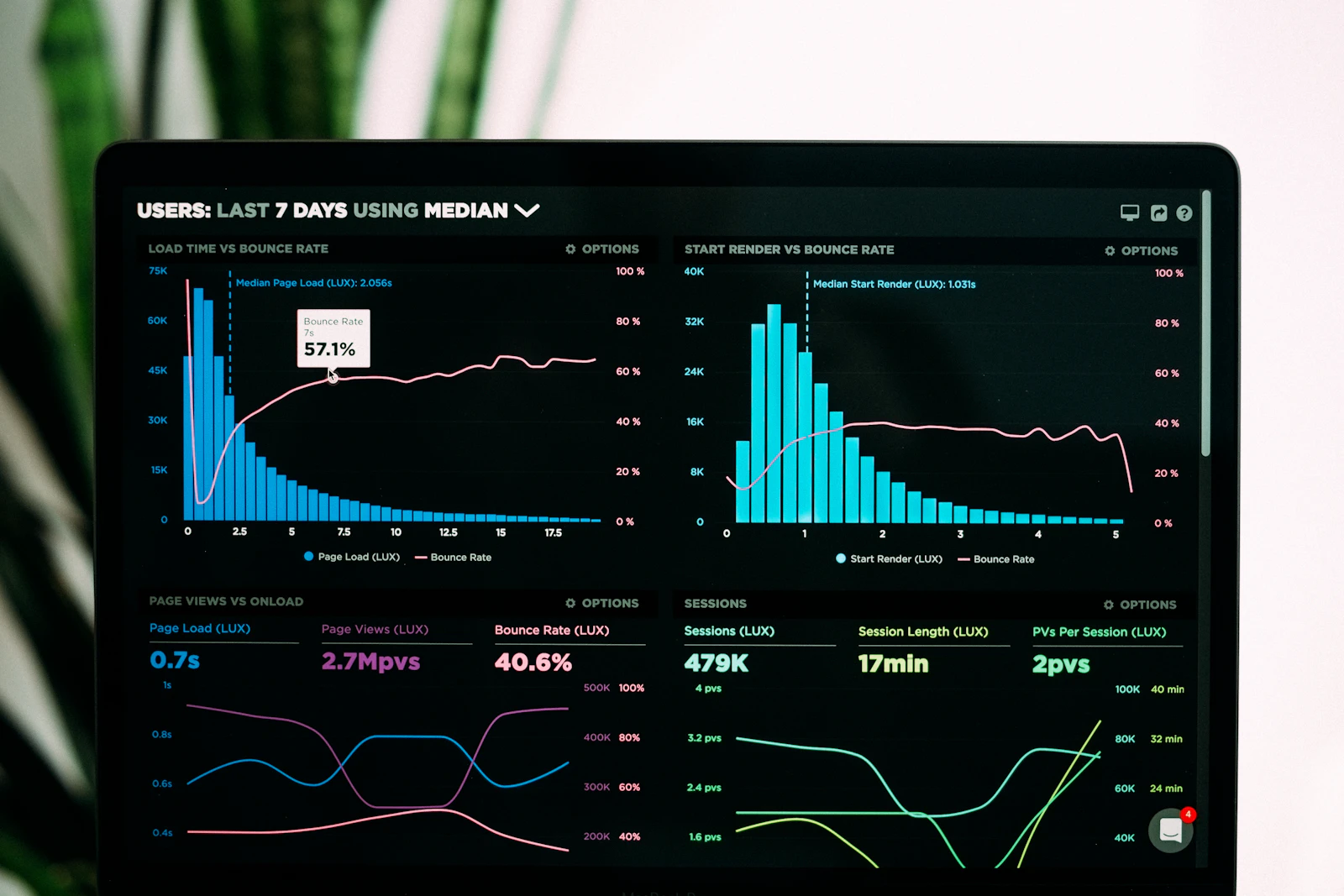
Data Analytics and Search Optimization

How Does AI Search Work?

Google's AI-powered search experiences use advanced language models to understand queries and generate comprehensive answers. Here's how AI is transforming search based on official Google announcements.

Google's AI Overviews Officially Explained

In May 2024, Google officially launched AI Overviews (formerly Search Generative Experience or SGE) to all users in the United States, powered by a customized Gemini model specifically designed for search. According to Google's official blog announcement: "With AI Overviews, Search can do more of the heavy lifting for you, so you can understand a topic faster, uncover new viewpoints and insights, and get things done more easily."

AI Overviews use Natural Language Processing (NLP) to understand the intent behind queries—not just matching keywords. When you search, Google's AI analyzes billions of pieces of content to generate a synthesized response with citations to sources for further exploration. The system considers your location, search history, and countless other signals to provide personalized, relevant results.

Source: Google Blog - Generative AI in Search
50%
Of All Searches Are Voice-Based
12B
Visual Searches Monthly via Google Lens
35B+
Product Listings in Shopping Graph
4x
Increase in Visual Searches in 2 Years
AI TechnologyVoice Search Assistant

Contextual Understanding

AI comprehends the meaning and intent behind queries, not just keywords.

It considers location, search history, device type, time of day, and countless signals to personalize results.

The same query can have different meanings based on user context.

Natural Language Processing

Ask questions naturally as you would to a person.

AI understands conversational language and follow-up questions without repeated context.

Powers voice assistants like Google Assistant, Siri, and Alexa.

Multimodal Search

Google's AI analyzes text, images, videos, and product data simultaneously.

Google Lens processes 12 billion visual searches per month—a four-fold increase in just two years.

Provides comprehensive answers across multiple content types.

💡 According to Google at I/O 2024: "People have already used AI Overviews billions of times. We've found that with AI Overviews, people use Search more and are more satisfied with their results." The AI shows more links to a wider range of sources, creating new opportunities for content discovery.

SEO vs AEO — What's Better?

Traditional SEO and Answer Engine Optimization (AEO) aren't competitors—they're complementary strategies. Both are essential for comprehensive search visibility in 2026.

Understanding the Fundamental Difference

Traditional SEO optimizes your website to rank high in search engine results pages (SERPs). Success means users see your listing among multiple results, click through, and visit your site. You're competing for position in a list, and the goal is to drive traffic to your website.

Answer Engine Optimization (AEO) optimizes content to be cited directly by AI systems in featured snippets, AI Overviews, and voice assistant responses. Success means your content becomes the authoritative source that AI references when answering questions—often providing value even without requiring users to visit multiple sites.

Why You Need Both Strategies

According to industry research and Google's own guidance, the most successful approach combines both traditional SEO fundamentals with AEO-specific enhancements. Traditional search isn't disappearing—billions of searches still happen daily through standard search interfaces.

However, with over 50% of searches now voice-based and AI-generated answers increasing dramatically, ignoring AEO means missing half your potential audience. Google's guidance emphasizes: "If you focus on making content helpful and reliable, with people in mind, you're more likely to provide a good Search experience and see good results over time."This philosophy applies equally to both traditional SEO and AEO.

Source: Google - Creating Helpful Content

💡 Smart businesses invest in integrated optimization: solid SEO foundations with AEO enhancements for maximum visibility across all search experiences, from traditional results to AI-generated answers. They work together, not against each other.

Search Engine Results and Rankings

How Long Does SEO Take?

Industry consensus and Google's own guidance suggest SEO requires 4-12 months for meaningful results. Here's what to expect based on verified data from official sources and expert analysis.

Official Timeline Guidance from Google

Maile Ohye, Former Developer Programs Tech Lead at Google, officially stated: "In most cases, SEOs need four months to a year to help your business first implement improvements and then see potential benefit." This timeline is widely accepted across the SEO industry and confirmed by multiple independent research studies from leading SEO platforms.

According to Ahrefs' analysis of millions of pages, the average top-10 ranking page is approximately 2 years old, and pages ranking #1 are almost 3 years old on average. However, most businesses begin seeing measurable improvements—increased impressions, better rankings for less competitive terms—within 3-6 months of consistent, strategic optimization efforts.

Source: Industry Research - SEO Timeline Data
1-3
MONTHS

Foundation Building Phase

Initial phase focuses on comprehensive technical optimization, conducting thorough site audits, fixing critical issues, performing extensive keyword research, and developing a strategic content plan. Google needs time to discover, crawl, and index all your changes. Don't expect major ranking improvements yet—this phase sets the foundation for all future success. You're essentially preparing the soil before planting seeds.

4-6
MONTHS

Initial Results & Validation

Search engines begin recognizing your improvements. You'll see movement for less competitive keywords, increased impressions in Search Console, and small but noticeable traffic upticks. According to Shopify's SEO specialist Arthur Camberlein:"Most sites can expect to see measurable results from their SEO efforts within three to six months."This validates that your strategy is working and momentum is building.

7-12
MONTHS

Growth & Momentum Phase

Consistent optimization efforts begin compounding. Content gains authority, rankings improve for medium-competition terms, and traffic increases become substantial and noticeable in analytics. You're generating qualified leads from organic search and seeing real business impact. This is where SEO investment begins clearly demonstrating ROI and proving its value to stakeholders.

12+
MONTHS

Sustained Success & Growth

You're competing effectively for high-value keywords, domain authority is firmly established, and you see consistent month-over-month growth. SEO becomes a significant, predictable source of qualified traffic and revenue. Results continue improving with ongoing optimization—SEO is never truly "finished." The longer you maintain quality efforts, the stronger your position becomes.

Business Growth Timeline

Critical Factors That Influence Your Timeline

  • Industry Competition: Highly competitive industries (finance, health, legal) require significantly more time than niche markets with less competition. Expect 12+ months for extremely competitive spaces.
  • Website Age & History: New websites (less than 12 months) may experience the "sandbox effect"—an unofficial delay period of 1-3 months while search engines evaluate trustworthiness. Established domains with clean histories see faster results.
  • Content Quality & Consistency: Regular publication of high-quality, comprehensive, well-researched content accelerates progress significantly. Quality matters more than quantity.
  • Technical Foundation: Sites with unresolved technical issues (slow loading, mobile problems, crawl errors) take much longer until these critical problems are fixed.
  • Backlink Profile: Quality links from authoritative websites in your industry speed up the timeline dramatically by building trust signals that search engines recognize.
  • Budget & Resources: More resources enable faster content creation, quicker technical improvements, and more effective link acquisition—but money alone doesn't guarantee success.

💡 Why SEO takes time: Search engines resist rapid ranking changes to prevent manipulation and spam. According to Google, this built-in delay acts as a quality filter, rewarding businesses genuinely committed to providing long-term value to users rather than quick wins.

Do I Need AI Optimization?

With search behavior rapidly evolving and AI-powered results dominating SERPs, AI optimization has moved from optional to essential for most businesses in 2026. Here's why, backed by official data.

The Current State of AI in Search

Google's AI Overviews officially launched to all U.S. users in May 2024 and continues expanding globally throughout 2025-2026. According to Google's announcement at I/O 2024, billions of searches now trigger AI-generated responses.The company states: "People have already used AI Overviews billions of times through our experiment in Search Labs. They like that they can get both a quick overview of a topic and links to learn more."

More than 50% of all searches are now voice-based through smartphones, smart speakers, and virtual assistants. Google Lens processes 12 billion visual searches monthly—a four-fold increase in just two years. These AI-powered search methods fundamentally change how people discover information and businesses online. If your content isn't optimized for AI, you're invisible to half your potential audience.

Source: Google I/O 2024 - New Generative AI Experiences

What AI Optimization Actually Includes

  • Structured Data Implementation: Use schema markup (JSON-LD format) to help AI understand your content context. Google officially supports various schema types including Article, Product, FAQ, How-To, and more through its Structured Data guidelines.
  • Natural, Conversational Content: Write as you would explain to a person, answering questions directly and completely. Google's algorithms reward content that matches how people actually search and speak, especially in voice queries.
  • Featured Snippet Optimization: Format content to capture "position zero" in search results. Structure answers clearly with proper heading hierarchy, concise explanations, and direct responses to common questions.
  • E-E-A-T Signals: Demonstrate Experience, Expertise, Authoritativeness, and Trustworthiness. Google's Quality Rater Guidelines (180+ pages) emphasize these factors heavily. Trust is the most important member of the E-E-A-T family.
  • Voice Search Targeting: Optimize for longer, natural language queries people speak rather than type. Focus on question-based keywords and conversational phrasing.
  • Answer-Focused Architecture: Provide clear, concise, complete answers that AI can confidently cite and reference without needing additional context or clarification.
Source: Google - Structured Data Guidelines

💡 The good news: AI optimization builds on existing SEO foundations, not replaces them. If you're already investing in quality content creation and technical optimization, adding AI-specific enhancements is a natural evolution and expansion, not a complete overhaul of your strategy.

Team Collaboration and Strategy

Ready to Dominate Search Results?

Get a comprehensive SEO audit based on Google's official guidelines and discover exactly what's holding your website back from top rankings.

Get Your Free SEO Audit

Get Your Free Marketing Proposal

Share a few details about your business and objectives, and our team will craft a personalized growth plan focused on traffic, leads, and revenue growth.

Every recommendation is tailored to industry and built to scale your business.

Stay Ahead of the Curve

Get weekly insights on SEO, AI automation, and digital marketing trends delivered straight to your inbox.

Get Your Free Growth Strategy

Share your details and our experts will craft a custom roadmap to scale your business.

100% Free
No Obligation
Expert Advice

You're All Set!

Thank you! Our experts will reach out within 24 hours with your personalized growth strategy.